Cleaning supplies often accumulate in several rooms because different jobs happen in different places. That can be convenient, but it can also create duplicate bottles and half-used products that nobody can find. Organize by the task while keeping each product in the container and conditions specified on its label.
Separate supplies from tools
Cloths, brushes, and empty buckets can be grouped in a dry storage area. Chemical products need label-directed storage and appropriate security. Keeping everything in a decorative basket under the sink may look orderly while providing poor access control or exposing products to leaks.
Do not decant cleaners into drink bottles, food jars, or unlabeled matching dispensers. Original labels carry essential directions and warnings. Never combine products to reduce the number of containers. A storage project should preserve that information rather than conceal it.
Make a task group only as large as needed
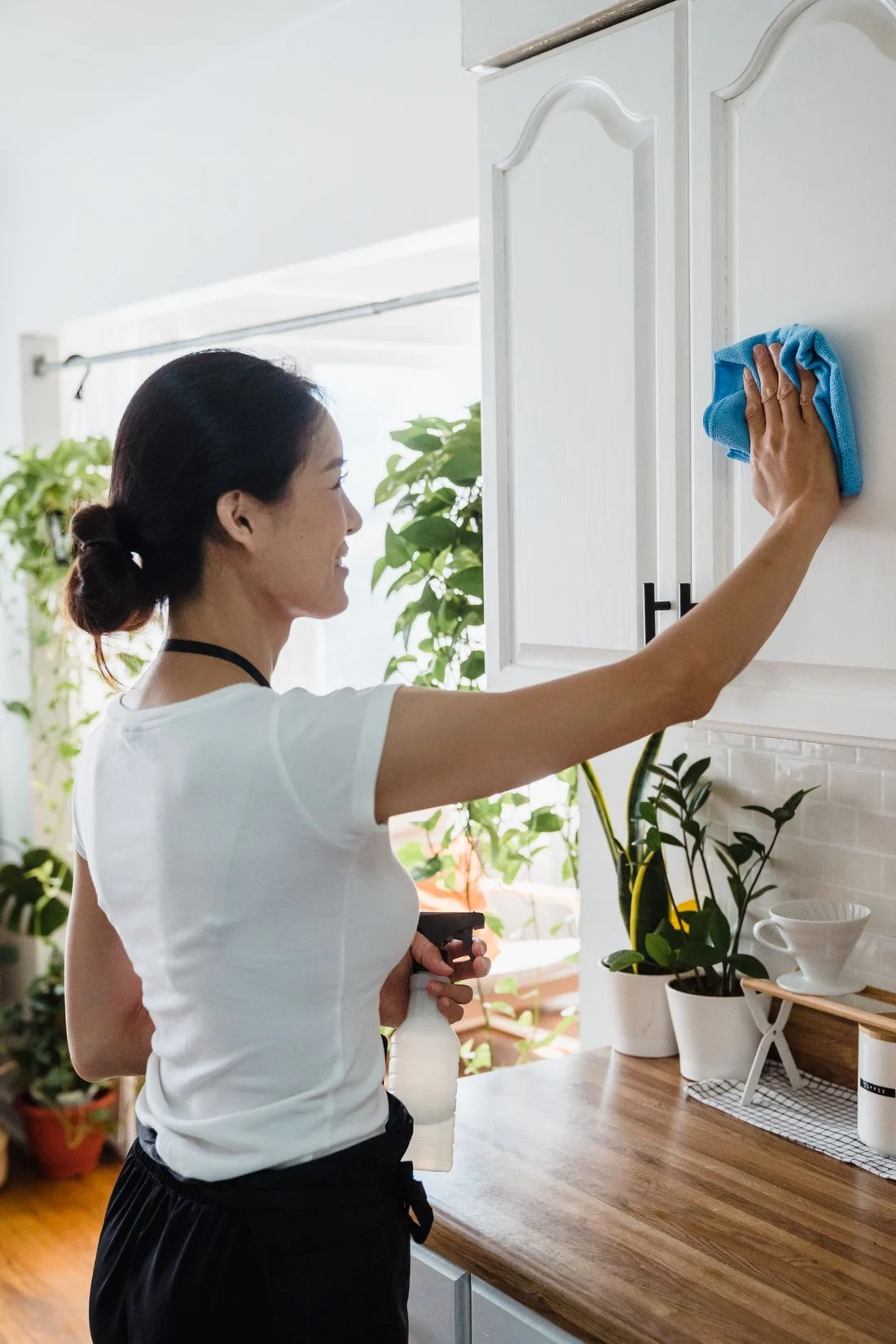
A small caddy can gather the tools used for a bathroom or kitchen cleaning session. It should be manageable to carry and easy to return to secure storage. Avoid filling it with every product in the home; excess weight and crowded bottles make it harder to handle.
Keep clean and used cloths separate. Let reusable tools dry appropriately before putting them into enclosed storage, following their care instructions. A tightly packed box of damp materials is not a useful way to finish a cleaning session.
Check the cupboard itself
Under-sink plumbing reduces the usable space and may interfere with tall bottles or pull-out organizers. Measure around pipes and valves, and keep access for maintenance clear. A removable tray can help contain small drips from bottles, but it does not solve a plumbing leak or replace the product's storage requirements.
Food should be stored away from household chemicals, as FDA guidance advises. Keep cleaning products out of pantry bins even if there is an inviting empty shelf. Also consider whether pets or children can reach a cupboard that an adult finds conveniently accessible.
Review before replacing
When a product is nearly empty, check the reserve area before buying another. Keep duplicates together and clearly identifiable, and use disposal guidance appropriate to the product and local services for unwanted materials. Do not pour unknown leftovers together or assume they can all go down the drain.
The aim is a small, understandable collection with secure storage and intact instructions. Convenience comes from knowing where the right supplies are, not from making every bottle look the same.