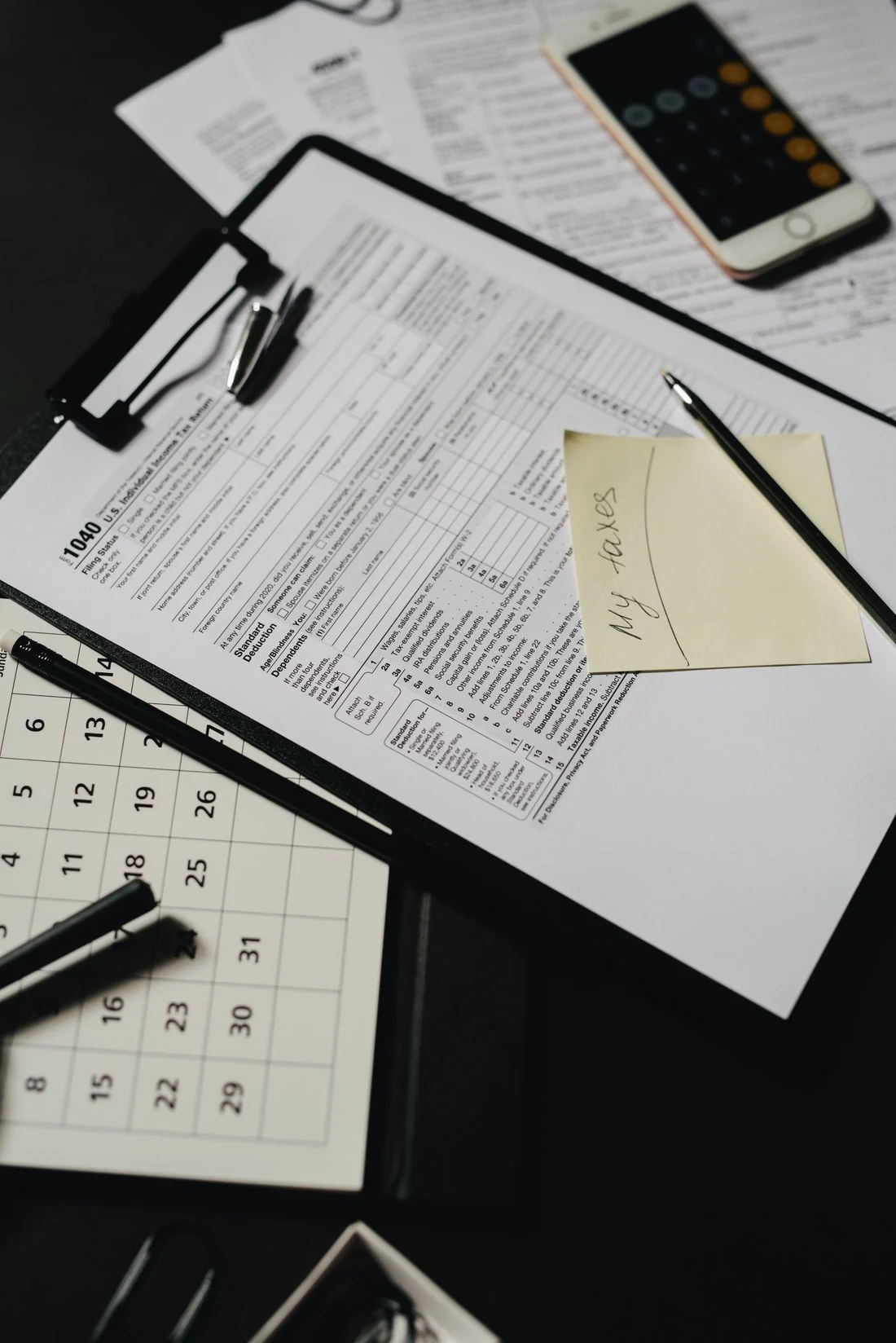
A home paperwork inbox should hold decisions waiting to happen. It should not also be the long-term archive, the stationery drawer, and the place where old envelopes go to disappear. When those functions mix, the important letter becomes another sheet in an increasingly heavy pile.
Start with a single place for incoming paper. A shallow tray, upright file, or small wall pocket can work. Choose something easy to reach when you bring in the mail, but keep personal documents out of casual view when privacy matters. The container's size should encourage regular attention rather than accommodate several months of accumulation.
Sort by action before topic
When you review the inbox, separate items that require a response from items that only need filing. A letter about an appointment and a bill may concern different subjects, yet both need action. Putting them straight into subject folders can hide the work that remains.
Use a small number of temporary categories. For example, act, waiting, and file may be enough. Waiting means a specific reply, delivery, or follow-up is expected; add a brief note if the paper itself does not explain that. Avoid creating a folder for every possible household event before you know it is needed.
Record deadlines in the calendar or reminder system you already trust. A visible pile is an unreliable reminder because the newest paper covers the oldest. The paper can remain with its action category while the date lives somewhere that will actually prompt you.
Keep the archive separate
Once an item is complete, decide whether it needs to be retained. Retention requirements differ by document, institution, and personal circumstances, so use the issuing organization's guidance where appropriate rather than applying one blanket rule to every record. This article is about organization, not a legal or tax retention schedule.
For papers you keep, create broad folders that you can recognize later: home maintenance, insurance, warranties, or another relevant category. Store originals that are important to preserve in a suitable secure location. Scanning can make reference easier, but a digital copy does not automatically replace an original required for a particular purpose.
If you digitize, give files meaningful names and put them in a consistent folder structure. Include a date where it helps distinguish repeated documents. A folder full of unnamed scans simply reproduces the physical pile in another form. Consider how the files are backed up and who should have access.
Work a small example through the system
Suppose an appliance repair receipt arrives with a warranty leaflet and an envelope. The envelope can leave immediately if it contains no information you need. The receipt may belong with that appliance's records once payment and the repair are complete. The warranty leaflet can stay with the same record if it is relevant, rather than creating a new pile of miscellaneous manuals.
A letter requiring a reply takes a different route. Record the deadline, keep the letter in act, and move it only when the response is complete. If confirmation is expected, it can then move to waiting with a note about what you are expecting.
Finish each review with a clear surface
Dispose of papers containing personal information using a method appropriate to their sensitivity. Return keepers to the archive, not to the inbox. Leave only unresolved actions in the temporary system.
Schedule the review at a frequency that matches the amount of paper arriving. A small household may need only a brief weekly check. The important feature is that the inbox regularly returns to a manageable state, and every paper left there has a reason to remain.