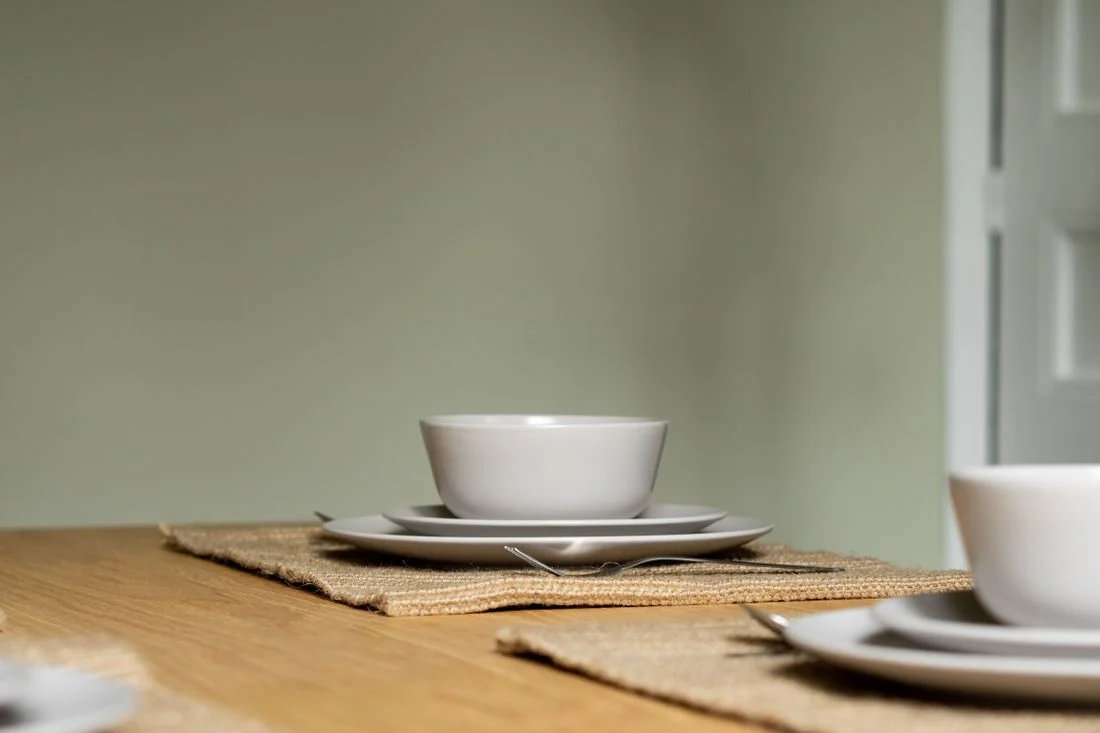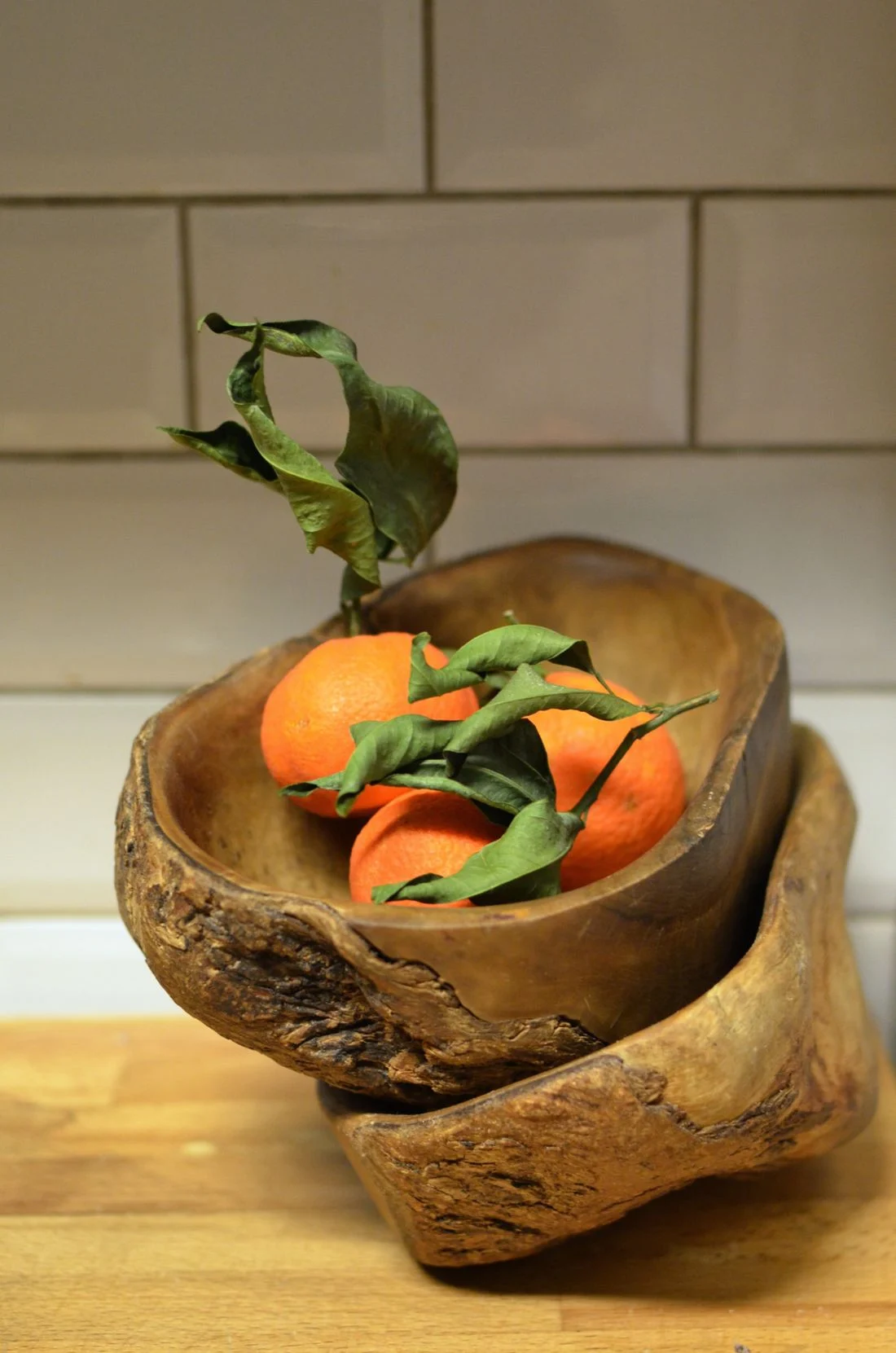
A fruit bowl is a working container that also contributes color to the kitchen. Its size should reflect the household's shopping and eating habits. A large bowl can look generous but encourage a deep pile in which the lower fruit is difficult to see; a small bowl may be enough for the few pieces that belong at room temperature.
Start with the actual contents
Different fruits have different storage needs. Follow appropriate guidance for the specific produce and any package directions rather than assuming all fruit belongs in a countertop bowl. Cut fruit and other foods requiring refrigeration should be stored accordingly; FDA guidance emphasizes prompt refrigeration of perishables and following labels.
For the fruit kept on the counter, choose a bowl that allows the contents to be seen and reached without repeatedly moving the whole pile. A broad shallow shape can be easier to inspect than a narrow deep vessel. The useful capacity is the amount you can manage, not the amount that can be stacked above the rim.
Check the material's intended use
Use a bowl suitable for food contact. Decorative wood, metal, or ceramic objects may have finishes not intended for holding food. Read the maker's description and care instructions rather than relying on appearance.
Make sure the interior is easy to clean and dry. Deep grooves, delicate woven details, or a rough finish may be appealing but can complicate routine care. A removable liner is only helpful if it remains suitable for the food and does not hide moisture or damage beneath it.
Give it a useful location
Place the bowl where it can be noticed without occupying the main preparation area. Keep it away from obvious heat sources and direct conditions unsuitable for the produce. A dining sideboard or a small free section of counter may work better than the narrow gap beside the stove.
Review the contents as new groceries arrive. Remove anything that needs attention and avoid simply covering the old fruit with the new. Keep the quantity modest enough that this check is easy.
A bowl can contribute warmth through its shape and material even when it is not full. There is no need to maintain an overflowing display. The best arrangement makes the fruit easy to use and leaves the kitchen surface available for the next meal.