Laundry often stalls between drying and putting away because there is no clear place to work. A permanent laundry counter is one solution, but a small home may need its dining table or a folding surface to do the job for half an hour. The useful design question is how quickly that surface can become available and be cleared again.
Start with the return route
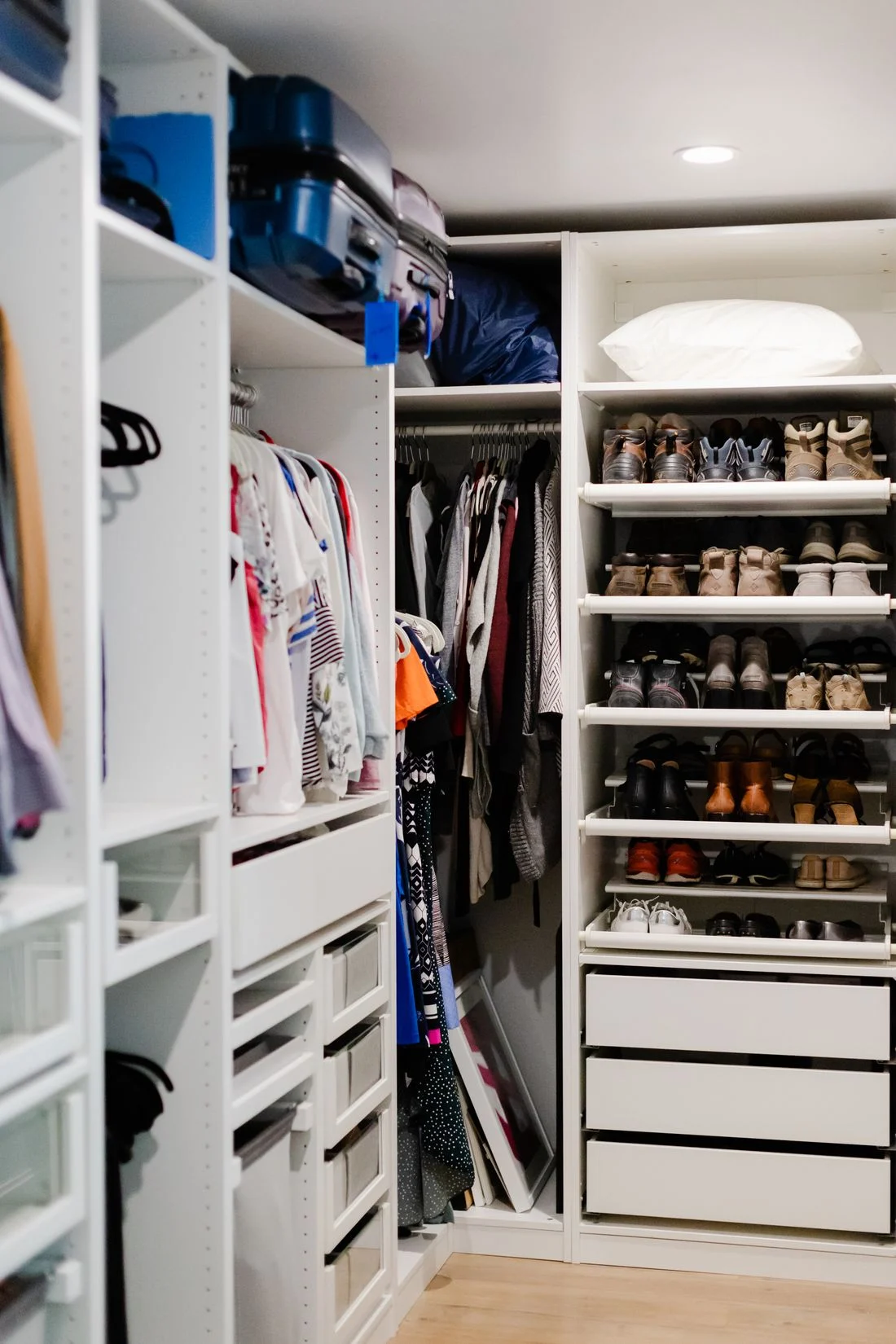
Choose a clean, dry surface near the rooms where clothing belongs. Carrying an unfolded load upstairs and folding it close to the closets may be easier than making several trips with neat stacks. If laundry is done outside the home, a lightweight basket can act as the transfer point when you return.
Check the working height by folding a few items before committing to a location. A surface that is too low encourages leaning; one that is too high makes a large sheet awkward. There is no single height that suits everyone. A folding table should be stable, fully opened, and used according to its load limits.
Keep only the immediate supplies
A small container for unmatched socks, a few spare hangers, and a place for clothing needing attention are usually enough. Avoid building a miniature laundry store around a temporary table. Detergents and cleaners belong in their proper storage, not on the folding surface beside clean garments.
Make separate stacks by destination rather than by perfect visual symmetry. One person's shirts can go directly into their carrying basket while towels remain together for the bathroom. If folding every item creates a bottleneck, hang the garments that normally hang and fold only what goes on shelves or in drawers.
Pack away in the right order
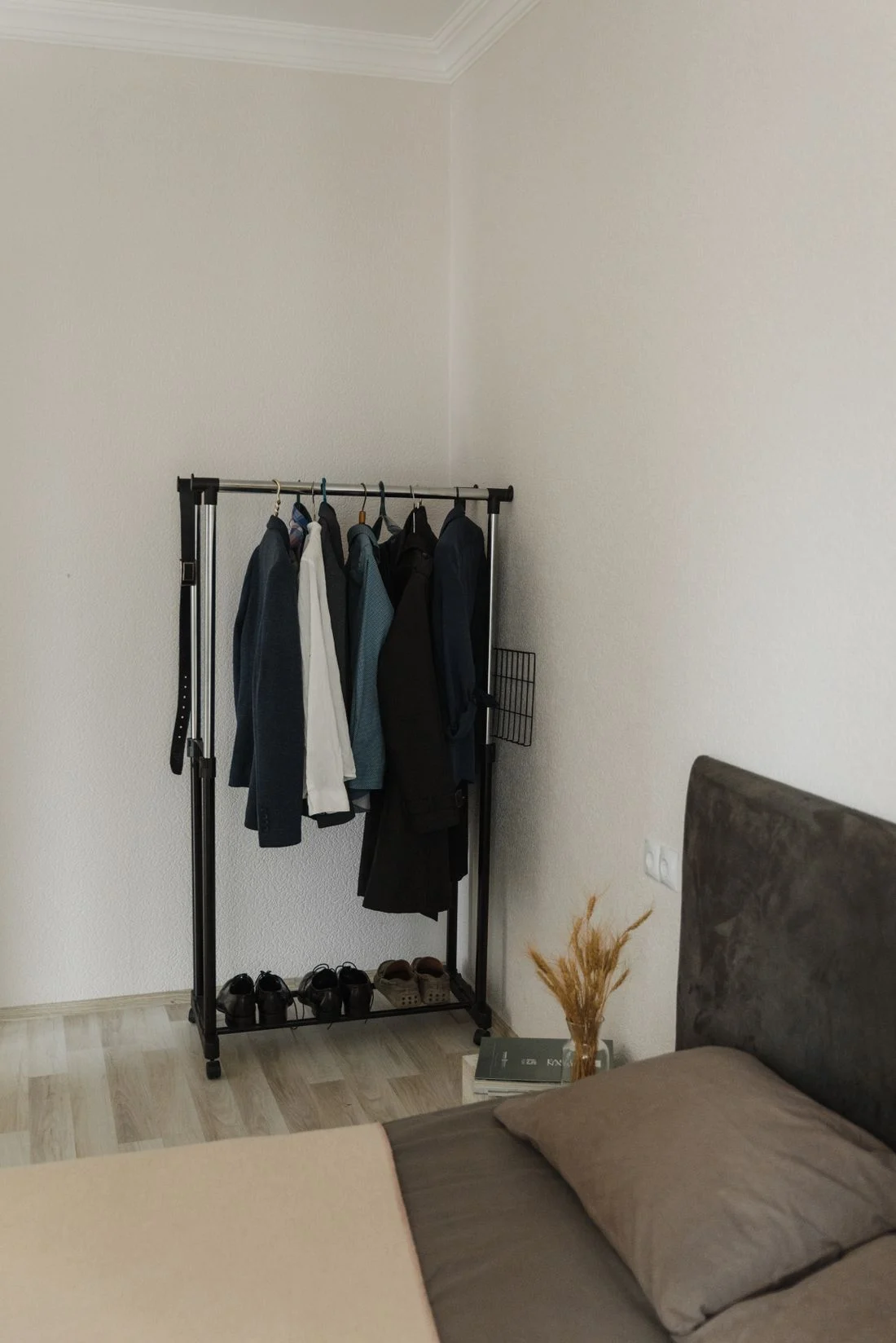
Return clothing before collapsing the table. Otherwise stacks migrate to the nearest chair and the cleared workspace becomes an unfinished task elsewhere. Keep the folded table in a spot where it can be removed without moving several other objects. Its storage position should be secure and should not obstruct a doorway.
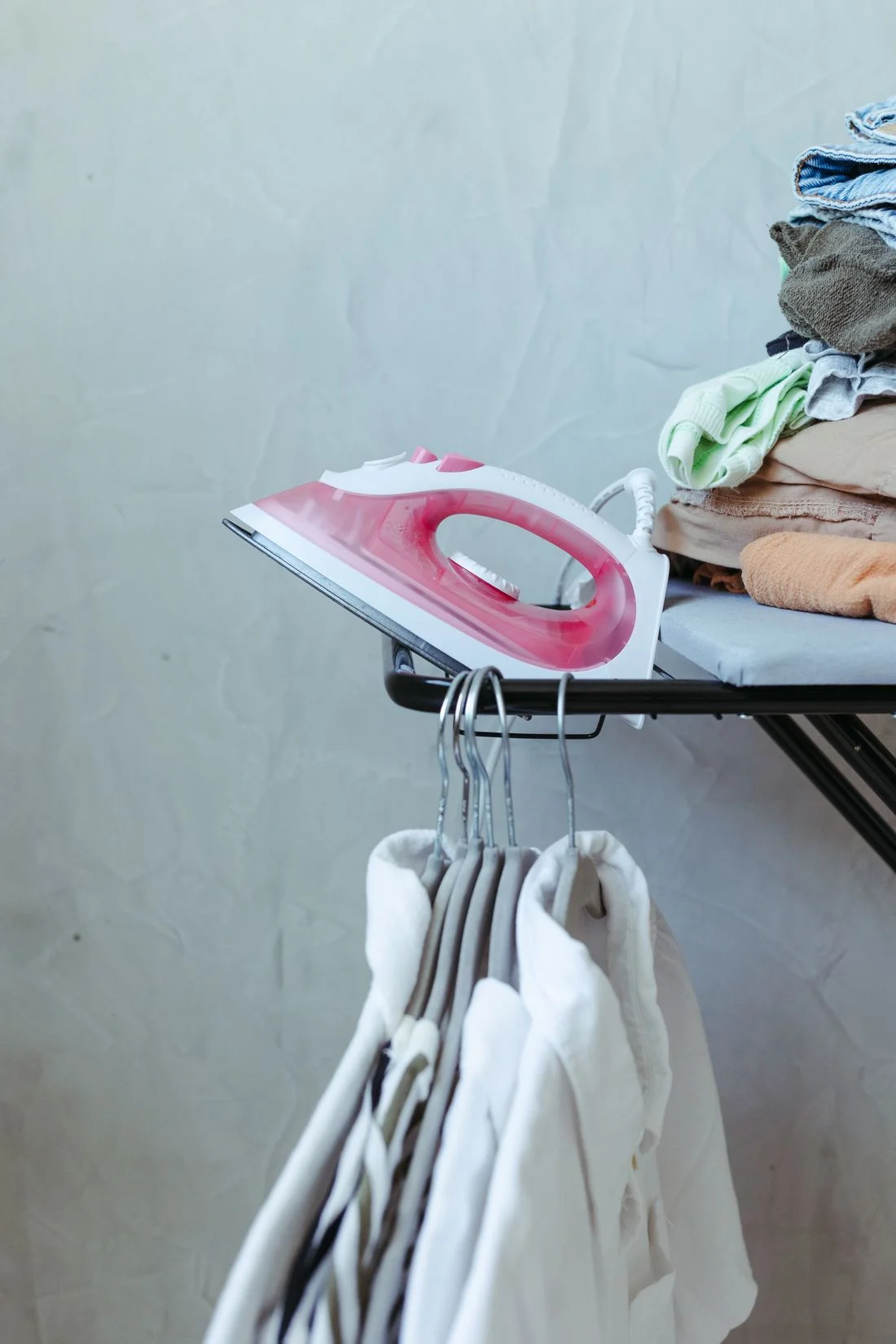
If ironing is part of the routine, treat that as a separate setup with the equipment's own safety and cooling requirements. A folding station does not have to remain covered in an iron, spray bottles, and hangers all week.
After a few loads, adjust the size of the station rather than adding more organizers automatically. The best temporary surface is the smallest one that lets you finish a realistic load and return the room to its usual purpose.