A small herb collection is most useful when its plants match what you cook and the growing conditions you can provide. Start with a few familiar herbs rather than an entire nursery display. Separate pots let you move, water, and replace each plant without disturbing its neighbors, which is helpful while you learn their differences.
Write down the herbs you use regularly and where you plan to grow them. A sunny outdoor corner and a kitchen counter away from the window are not interchangeable sites. The University of Maryland notes that indoor herb growing can be more challenging and recommends well-draining containers and suitable lightweight potting medium.
Start with a realistic location
Observe direct sunlight at the proposed spot through the day. University of Minnesota Extension says most herbs need at least six hours of direct sun for good growth, while individual requirements vary. Use plant-specific guidance for the herbs you select, especially if the site is partly shaded or you plan to grow them indoors through winter.
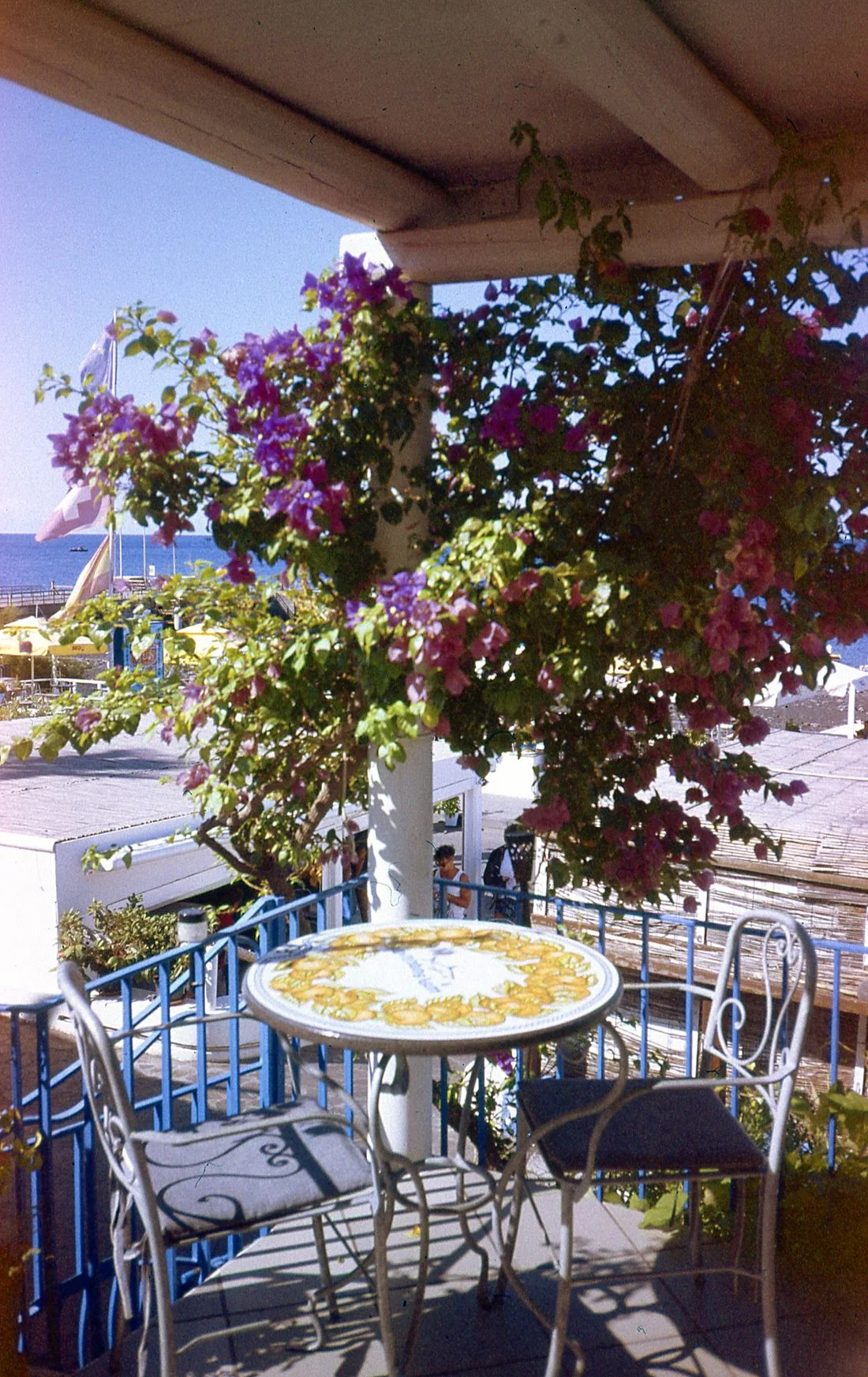
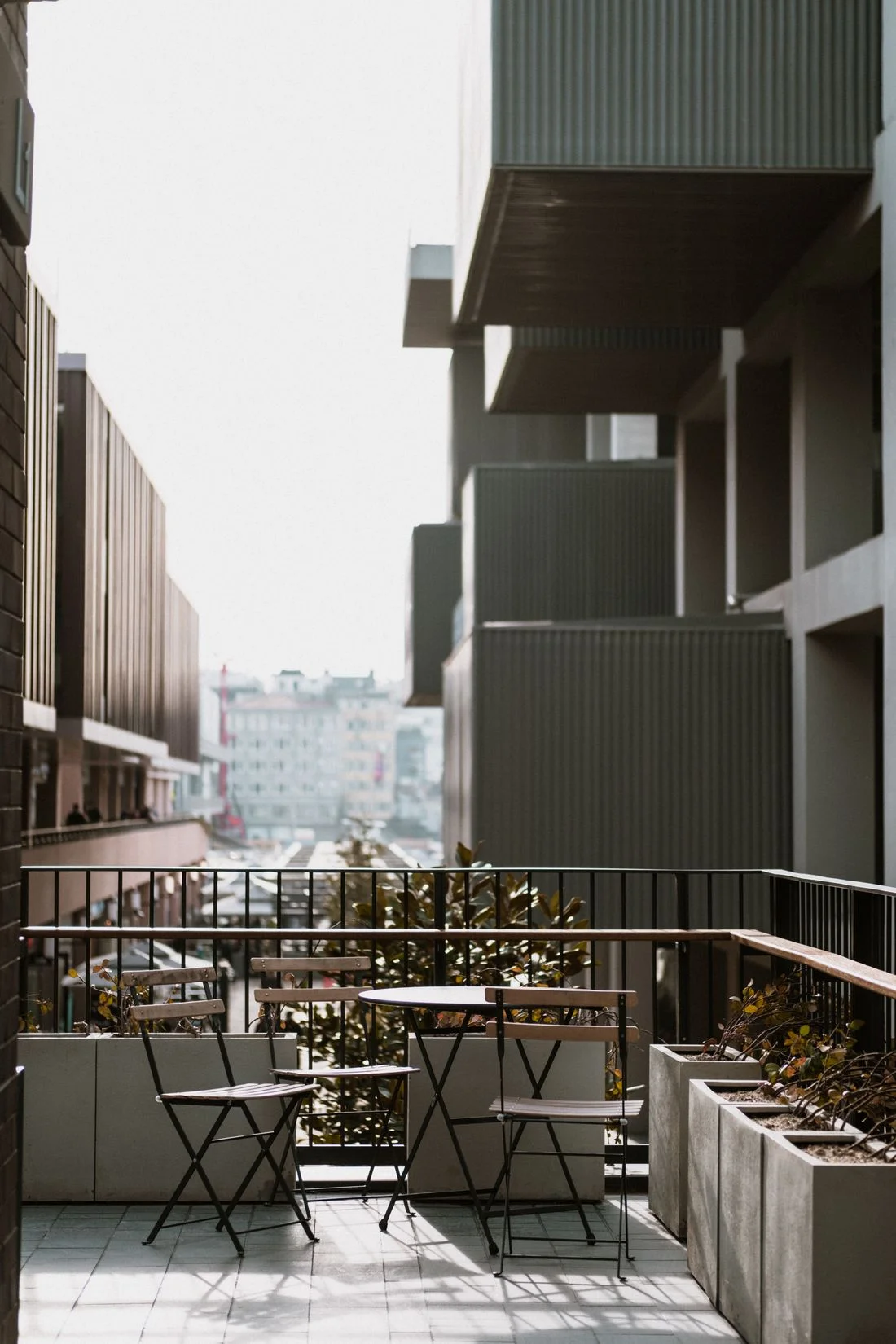
Keep the pots close enough to use, but do not choose a dark kitchen surface merely because it is near the stove. A suitable bright balcony or other growing location may serve the plants better, with a small bowl used to bring harvested stems into the kitchen.
Give each plant its own space
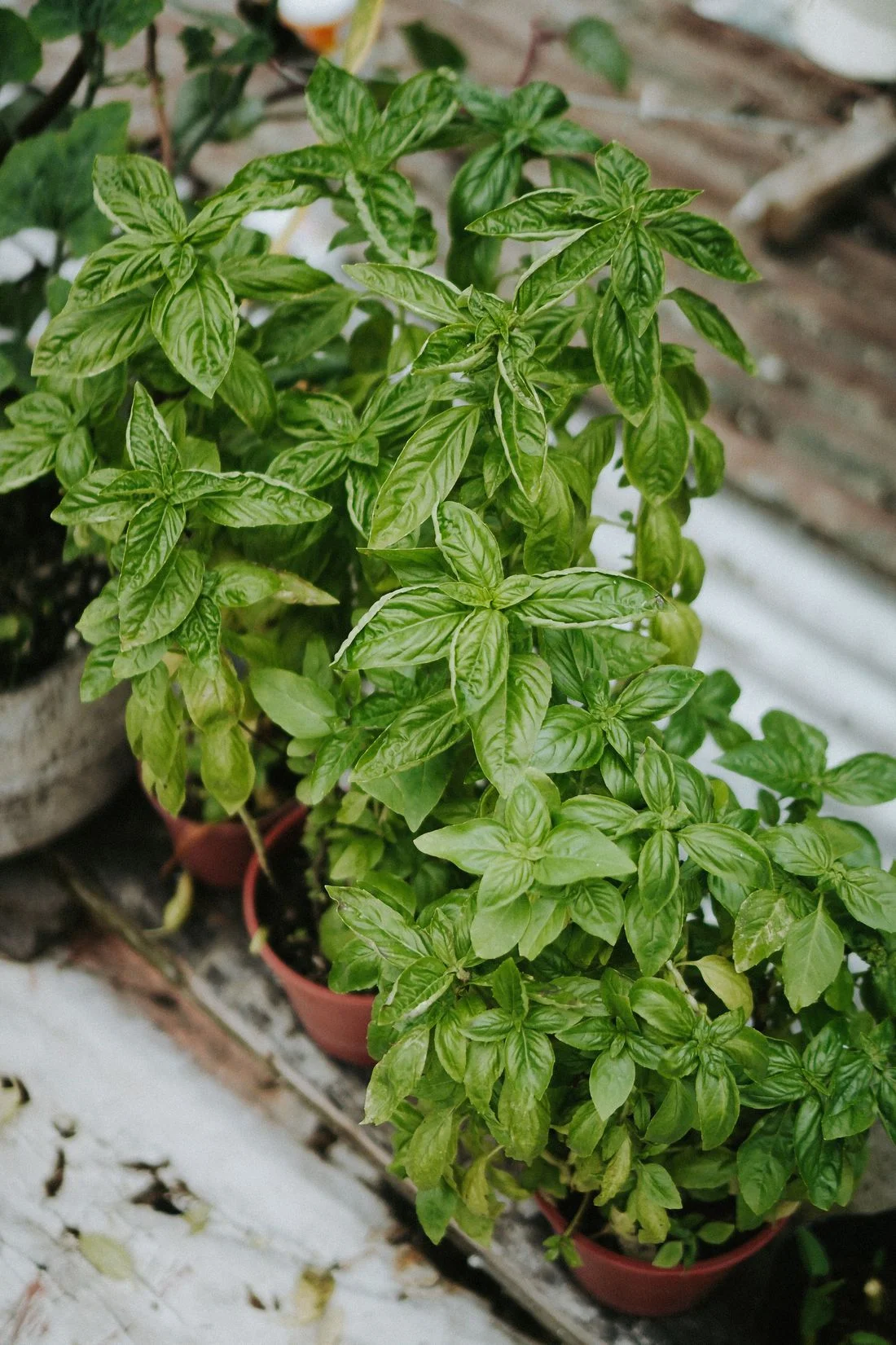
Choose container sizes for the plant's needs and mature growth rather than buying identical tiny pots for visual symmetry. Check drainage and the recommended growing medium. A decorative outer container can conceal an ordinary nursery pot, but you need access to remove excess water and inspect the plant.
Separate pots are particularly convenient when the herbs have different moisture preferences or grow at different speeds. You can group the containers visually without treating them as one care unit. A shared tray can simplify the appearance, but it should not leave all the pots standing in pooled water.
Allow space between leaves and keep the most frequently used herbs easy to reach. If one vigorous plant begins to crowd the others, move it rather than repeatedly cutting it back only to preserve a photograph-like arrangement.
Make harvesting part of the plan
Learn the appropriate harvesting method for each herb. A small new plant may not provide the quantity you are accustomed to buying in a supermarket bunch. Begin with modest harvests, allow growth to continue, and avoid stripping a plant simply because a recipe calls for more than it can supply.
Keep clean cutting tools nearby in a suitable storage place, and label the plants clearly. If you grow several similar-looking varieties, use both the common name and variety name on the label. Do not rely on the container color to remember what is edible or how it should be used.
Expect the collection to change
Some herbs are grown as annuals in a particular climate, while others may be perennial under suitable conditions. Ask a local extension resource or nursery how your chosen plants behave in your area. A pot on a balcony does not experience exactly the same conditions as a plant in the ground.
Keep a short record of planting dates, location changes, and observations. This is more useful than following one rigid watering calendar for the entire collection. As you learn, you may discover that two productive herbs suit your routine better than six struggling ones.
For appearance, repeat one pot finish and let the foliage provide variation. Leave a clear space to set down a harvested sprig or lift a pot for inspection. The most appealing herb display is one that can be used, tended, and adjusted without becoming another crowded kitchen accessory.