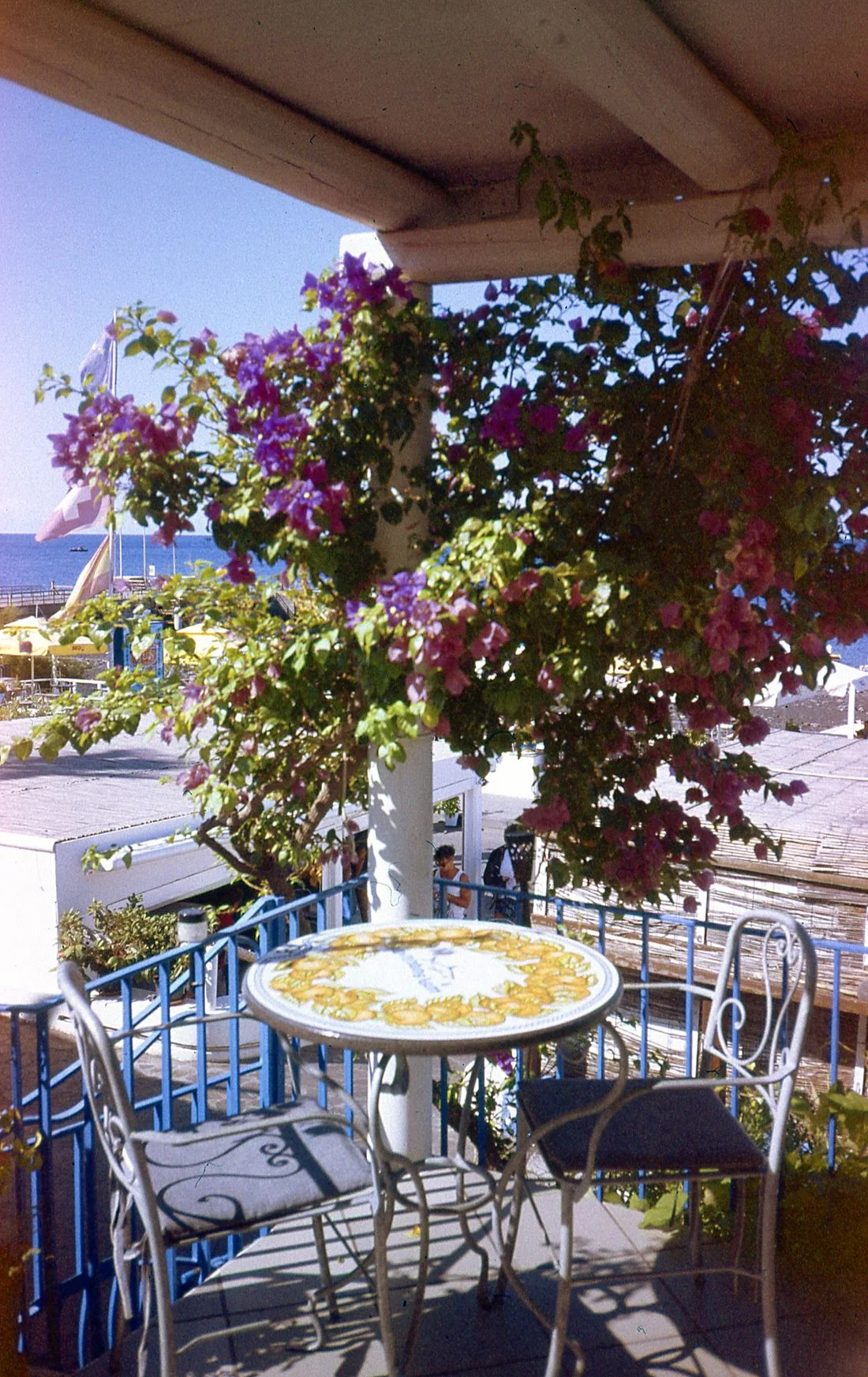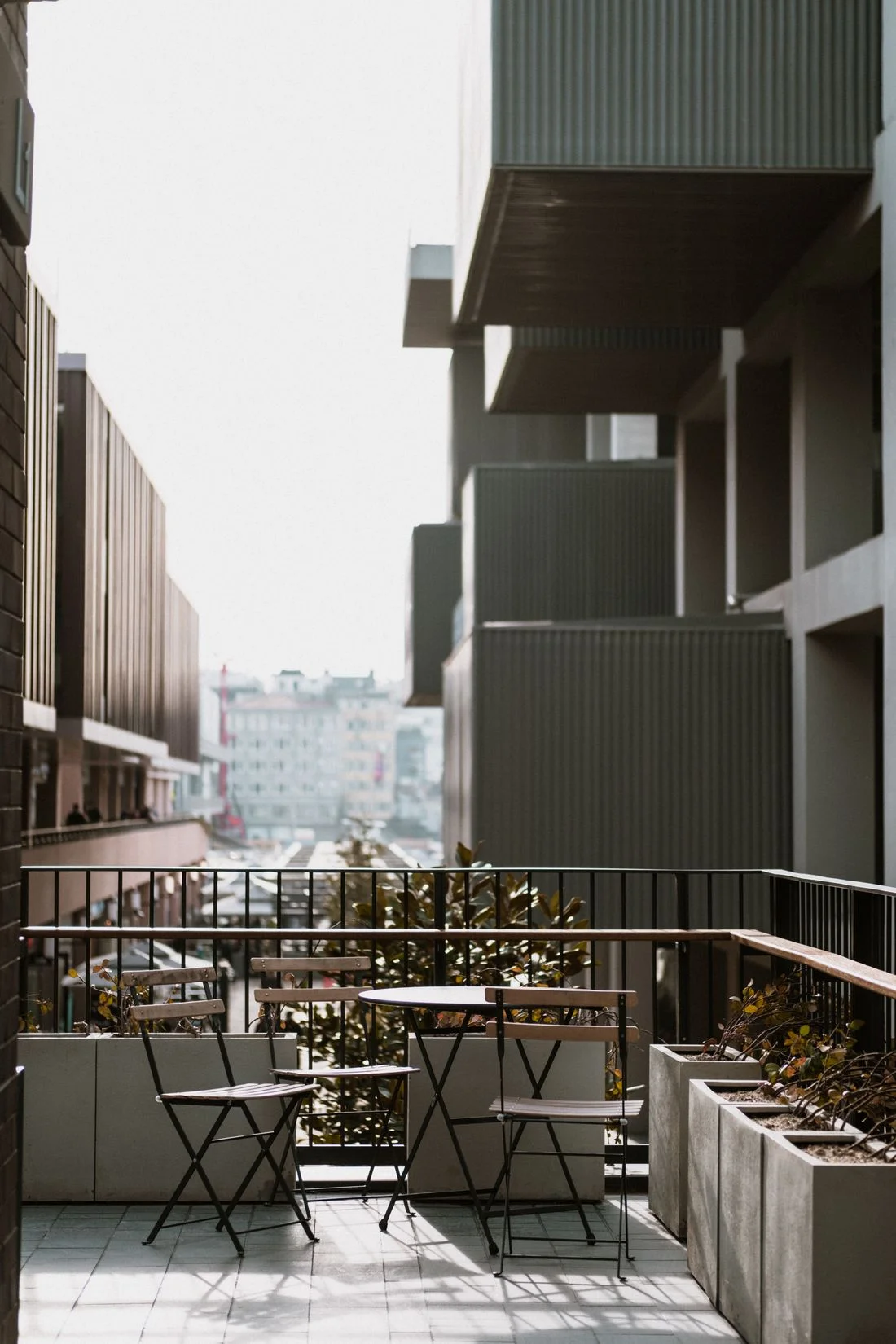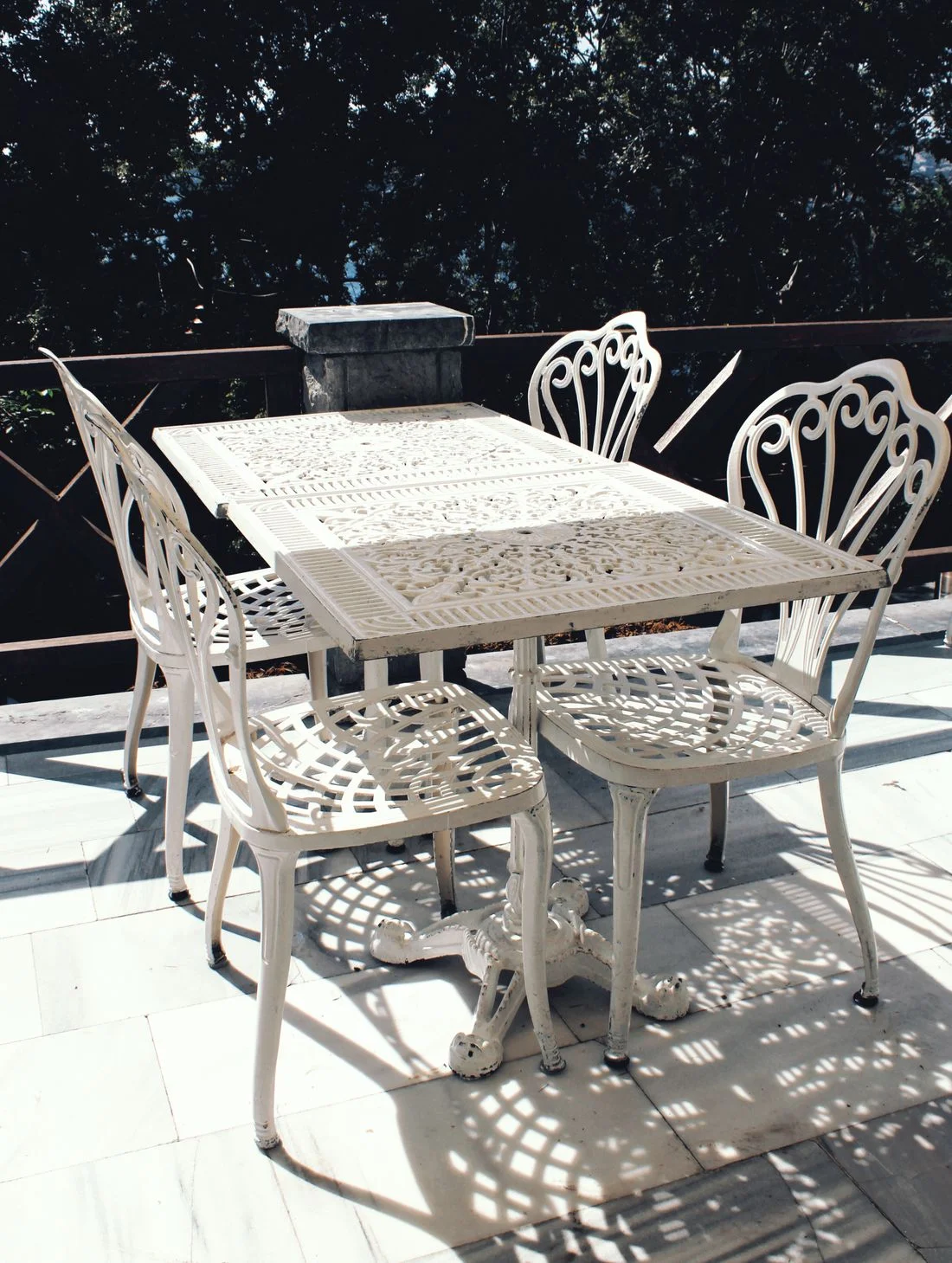
An outdoor space can feel flat when all its light comes from one fixture near the door. The doorway may be bright while the table sits in shadow, or a strong overhead source may make conversation feel less relaxed. Think about the different jobs light must do before adding decorative strands or another lantern.
Walk through the patio after dark using the lighting you already have. Note where you need clearer visibility for normal movement and where you simply want a more pleasant atmosphere. Those are related but different needs, and a decorative glow should not be treated as adequate illumination for every step or obstacle.
Start with the route
Keep the route from the house and any required access clearly usable. If existing fixed lighting is inadequate or needs changing, consult an appropriate qualified professional rather than improvising wiring or extending indoor equipment outside. Choose fixtures and accessories rated for their actual exposure and follow installation instructions.
Avoid placing portable lights where someone can kick them or where a cord crosses the walking path. A low glow can look attractive in photographs while creating an object that is difficult to see around. Position lights in relation to movement, not just to empty corners.
Add a lower light near the activity
At the seating area, test a table lantern or another suitable low-level source. Look at it from seated eye height and reduce direct glare. A diffused lamp may work better than an exposed bright bulb when people are facing one another.
If the table is small, use a nearby stable surface rather than sacrificing serving space. Keep the light within reach if you need to adjust it, and plan how portable items will be stored when not in use.
Use higher light carefully
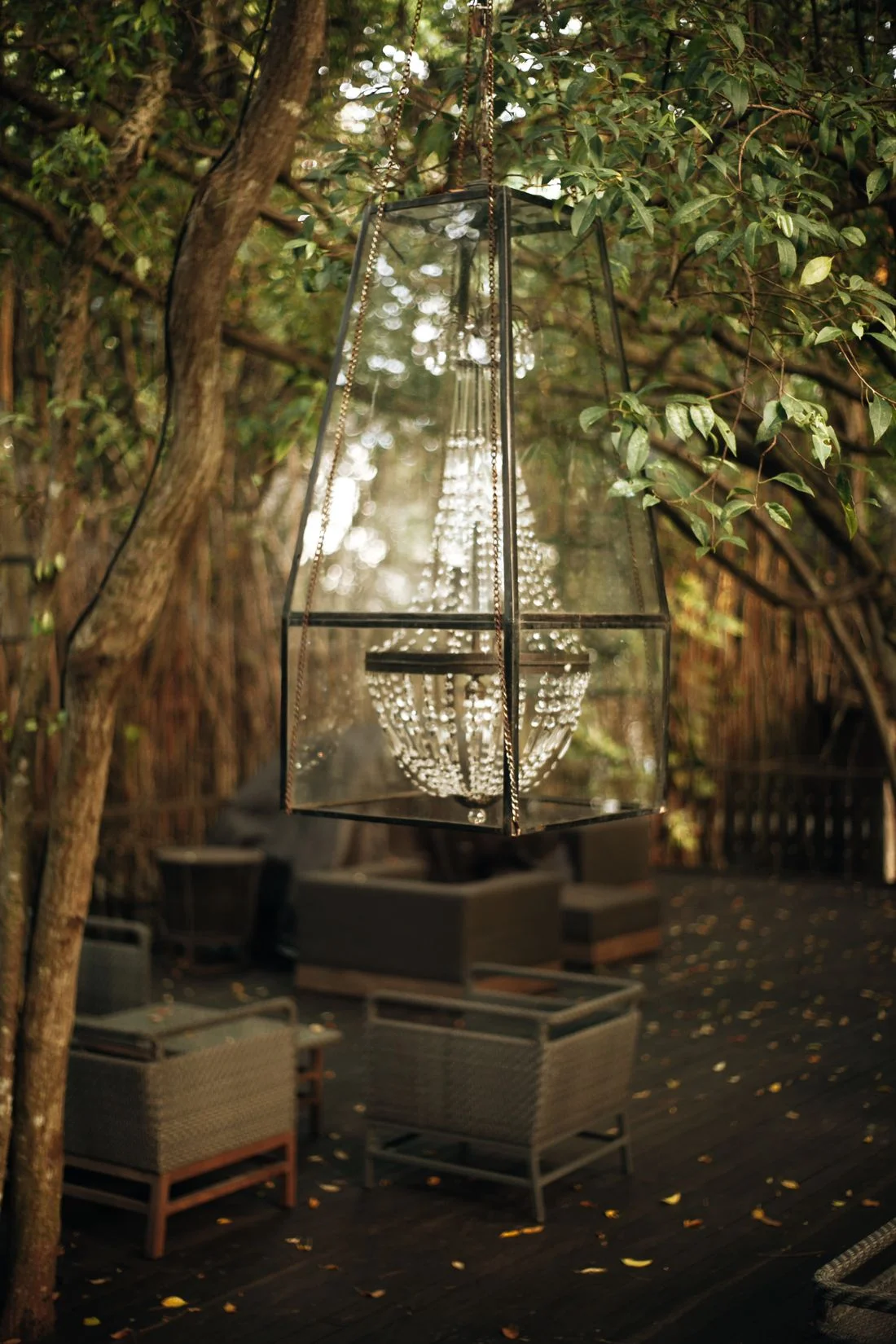
A hanging outdoor fixture or string-light arrangement can give the space an upper boundary, but it needs suitable rated supports and approved installation. Do not assume tree branches, railings, or improvised hooks are appropriate attachment points. Check building rules before adding anything to a rented or shared exterior.
Keep the overall effect restrained. Several sources at different heights do not all need to be bright. Turn them on in stages and see which ones actually improve the space. If a lamp mainly creates glare or draws attention to a neighbor's window, reposition it or leave it off.
Consider the view from indoors and from nearby homes. Direct light toward the area you use and follow local or building requirements. A patio can feel inviting with a few carefully placed sources when each has a clear job and the equipment suits the environment.