Two separate beds can make a guest room flexible for friends, siblings, or visitors who prefer their own sleeping surface. The room needs more than two mattresses, though. Each person needs a comfortable route in and out, a place for small belongings, and enough privacy to avoid feeling like a temporary addition to someone else's bed space.
Start with complete bed dimensions
Use the outside dimensions of each frame. A twin mattress is commonly around 38 by 75 inches in the United States, while a twin XL adds length, but the frame can be wider and longer. Confirm the specific products rather than treating mattress dimensions as the furniture footprint.
For a planning example, imagine two frames each 42 inches wide in a room that measures 12 feet across. Together they use 84 of the room's 144 inches, leaving 60 inches to distribute between the beds and the outer walls. That remainder must accommodate the arrangement you choose; it is not all available as one generous central gap. Door swings, trim, radiators, and furniture may reduce the usable space further.
Choose the access pattern deliberately
Side-by-side beds with a shared central table can create a clear, orderly arrangement. Each guest reaches the table from one side, but check whether there is enough room for both to place a phone, glasses, and water. A very narrow table may look symmetrical while serving only one person comfortably.
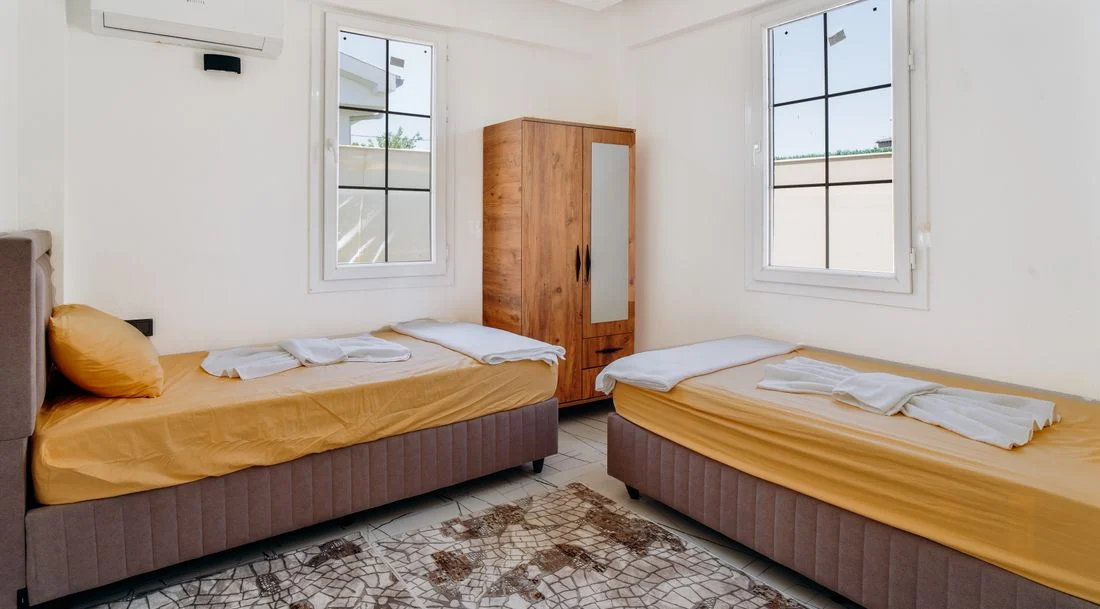
Beds along opposite walls can leave a central passage, but may limit access along the outer edges. An L-shaped arrangement can work in a square room, though one bed should not obstruct the foot or access of the other. Try the routes with the beds made, including hanging covers, rather than measuring bare frames only.
Do not force two beds into a room where safe access or required exits become compromised. A different bed size, fewer furniture pieces, or another guest arrangement may be more appropriate. This is a use-of-space decision, not a requirement to meet a photograph's layout.
Give each guest an equivalent setup
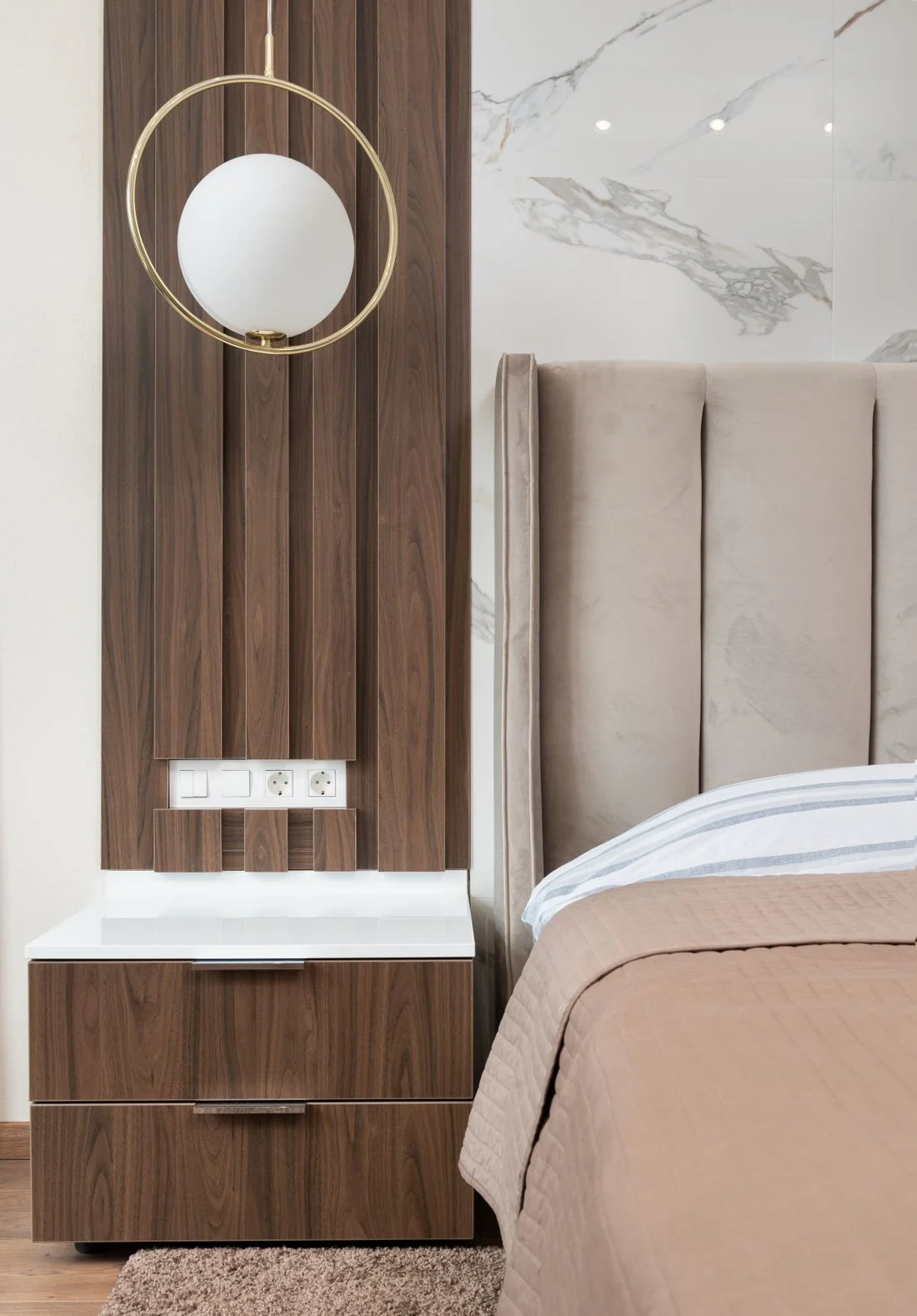
The two sides do not need identical furniture, but they should offer comparable convenience. Each person needs reachable light and a stable surface. If outlets are limited, arrange charging safely without cords crossing the floor between beds. Avoid making one person reach over the other bed to operate the only lamp.
Use related bedding to connect the pair, with small differences if helpful. Different pillowcase colors or a modest accent can make each space easy to recognize without creating competing themes. Keep decorative pillows limited so there is not a nightly pile to store.
Make room for bags before adding a dresser
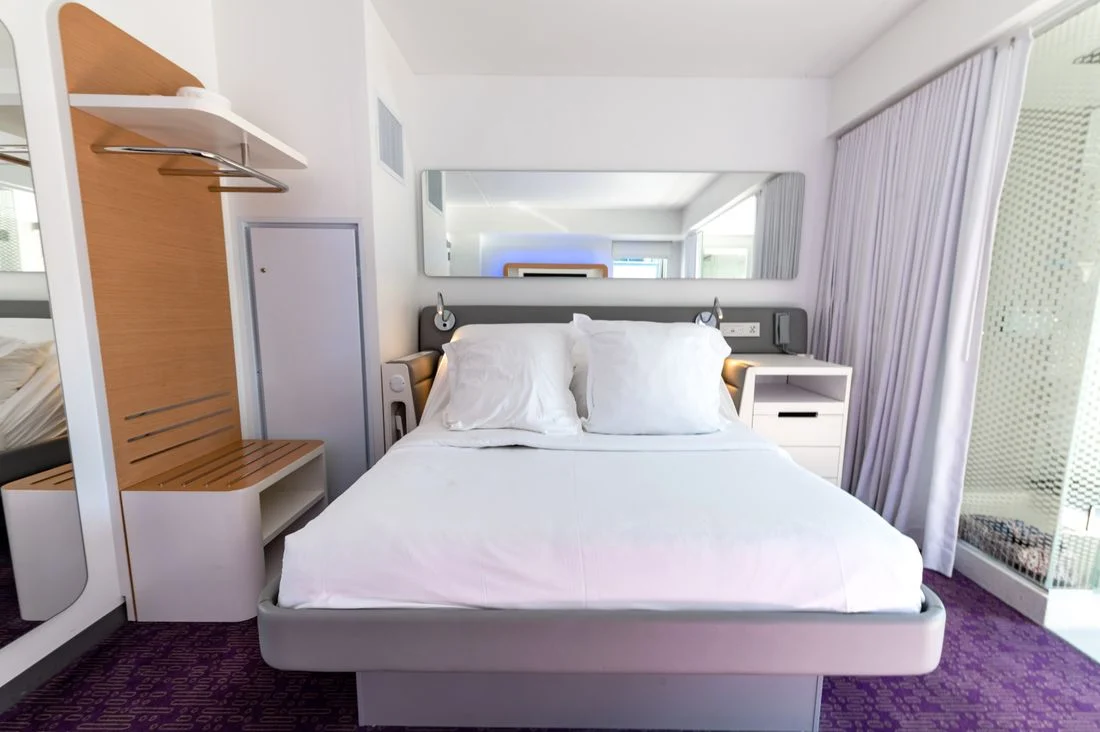
A shared dresser can be useful for longer visits, but a clear luggage area may matter more for short stays. Leave a suitable place for each bag that does not occupy the central passage. If a luggage stand or bench is used, check its intended load and footprint.
Reserve some accessible clothing storage if available and explain what guests may use. A wardrobe filled with household overflow should not be presented as guest storage simply because it is in the room. Clear a real section or provide a modest alternative.
Test the arrival and departure
Imagine two people entering with bags, changing clothes, and preparing for bed. Then imagine stripping the bedding and making both beds again. If either routine requires dragging a frame away from the wall every time, reassess the spacing. A twin guest room works well when each visitor has a defined place and the room remains straightforward to maintain between visits.