An open room does not need identical furniture at both ends. It needs a clear relationship between the places where you sit, eat, and walk. When the living and dining areas feel disconnected, the cause is often a broken route or a competing arrangement of large shapes rather than a missing decorative accessory.
Sketch the whole space before concentrating on either zone. Mark the kitchen entrance, doors, windows, and the place a dining chair occupies when somebody is sitting in it. That pulled-out chair is part of the everyday layout, even though it disappears under the table in most photographs.
Set boundaries without building barriers
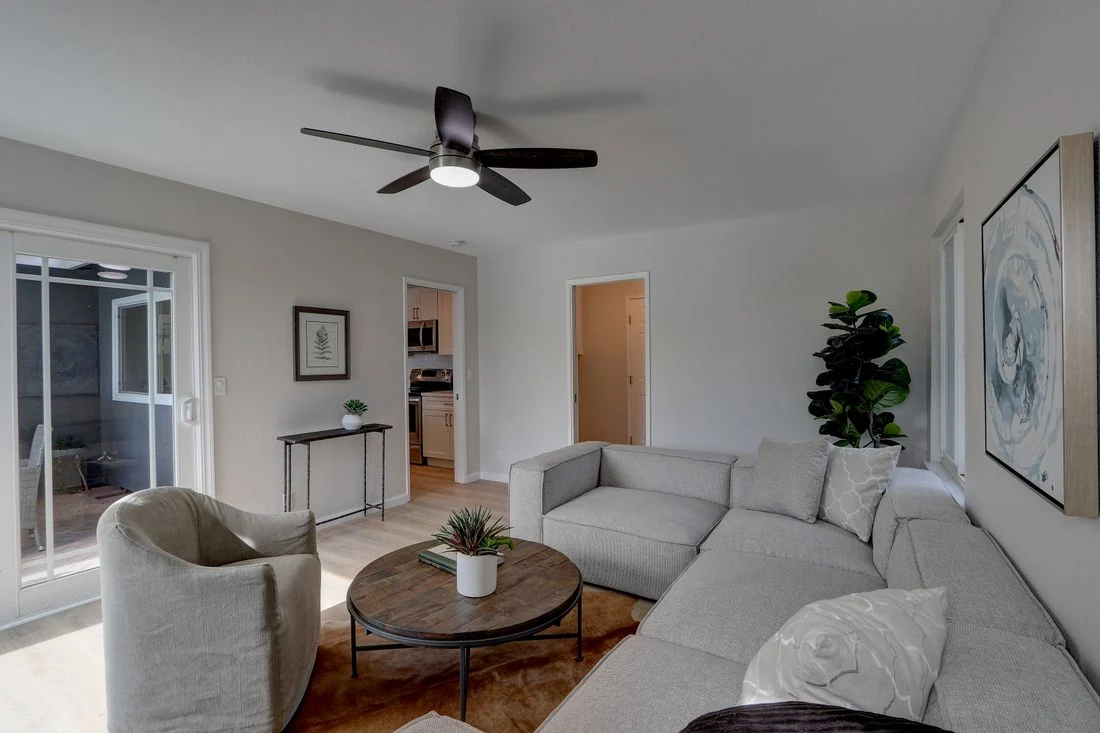
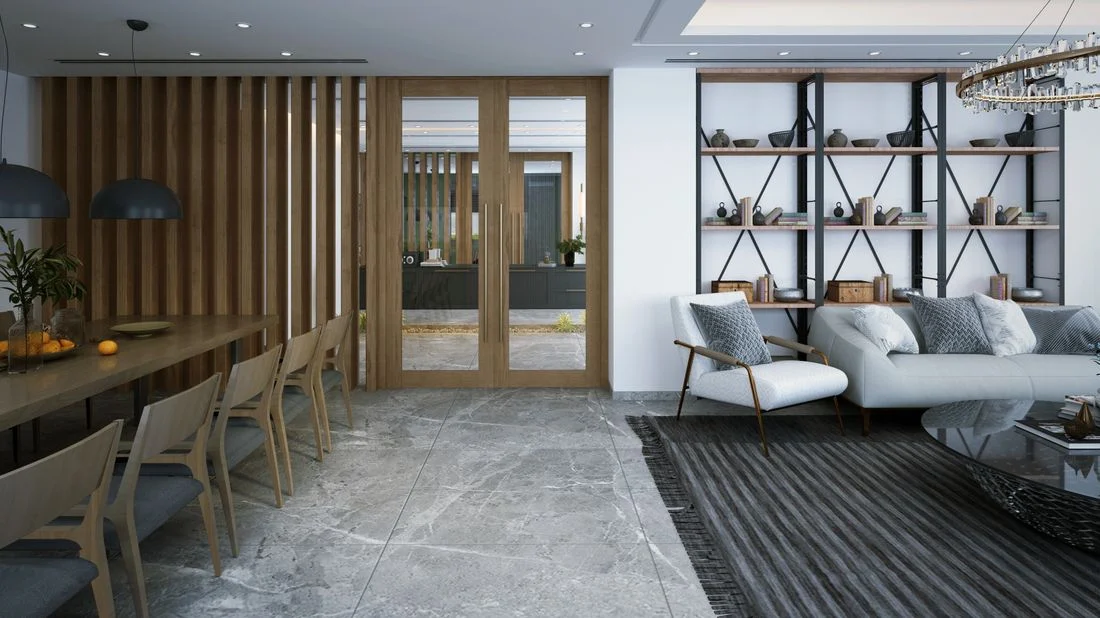
The back of a sofa can signal the edge of the living area, while a rug groups the seats. Keep enough room behind the sofa for dining chairs and movement if the two zones meet there. A narrow console added to the sofa back may look finished but also consume the exact strip needed to walk through comfortably.
If the room is modest, leave the floor between the zones visually quiet. Several small rugs, plant stands, and side tables can make the boundary busier than either room. One larger living-room rug and a clear dining area may communicate the distinction more successfully.
Repeat a material, not a whole furniture set
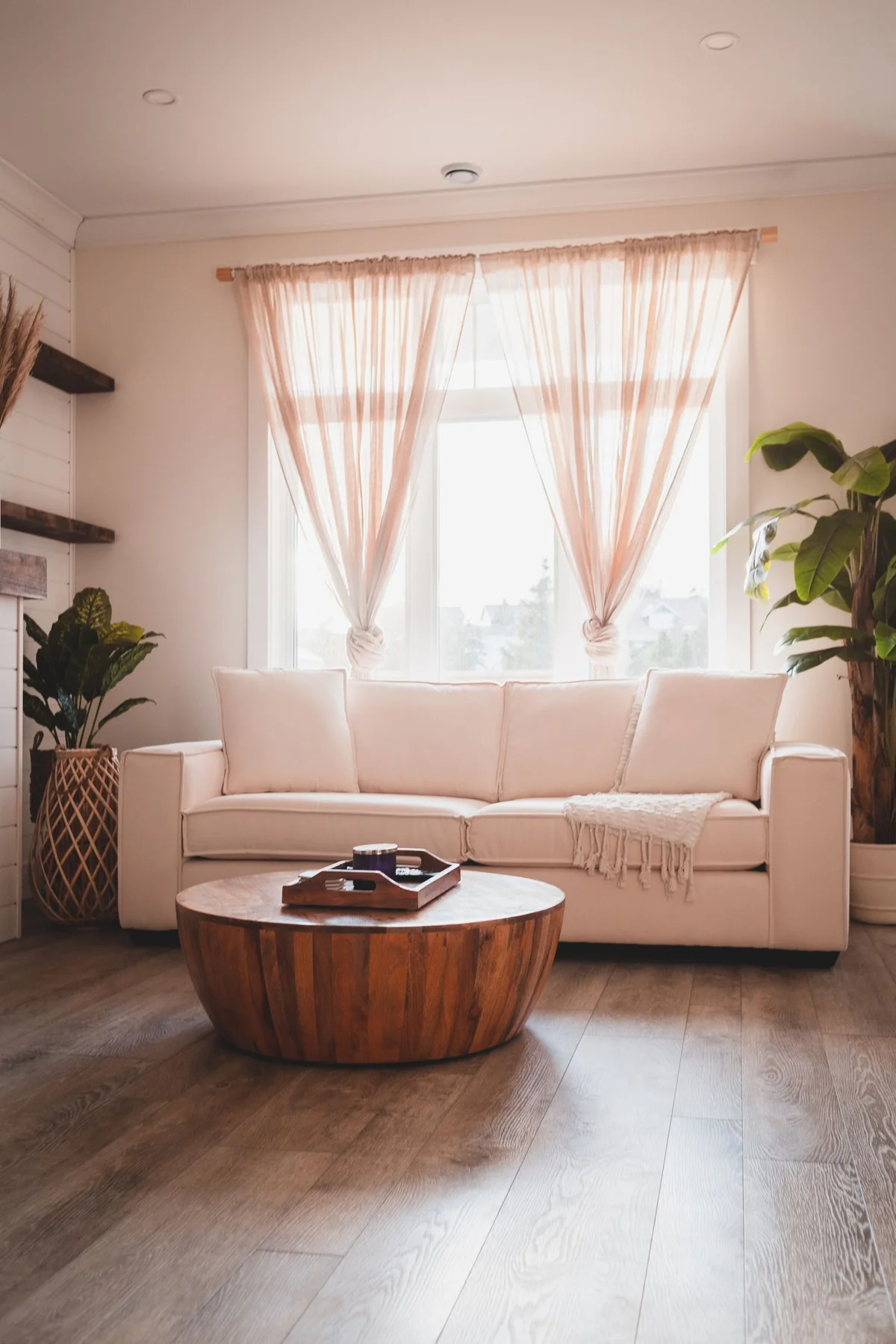
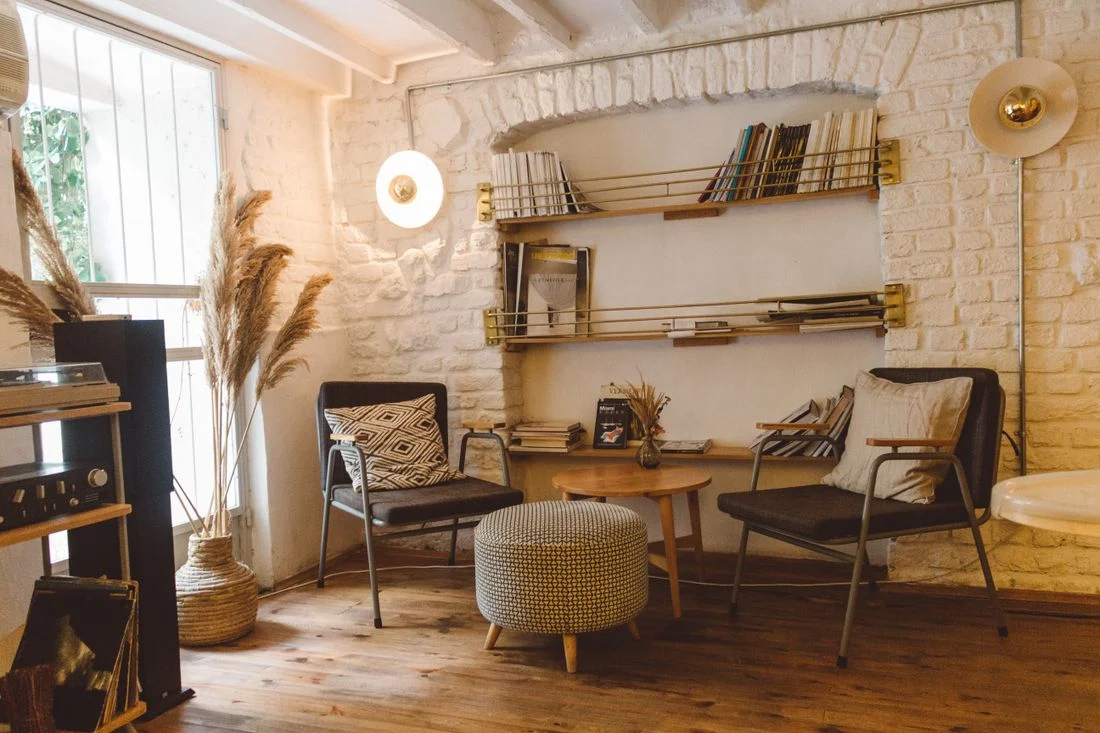
Choose one or two details that can travel across the room. A warm wood tone might appear in a coffee table and dining chairs. Black metal might connect a lamp with dining-table legs. The pieces can have different shapes and still feel related.
Color provides another bridge. A small amount of the dining chair color in a living-room cushion can be enough. Repeating every color equally in both zones flattens the room and makes later changes harder. Let one area be calmer if the other already contains a strong rug or patterned upholstery.
Check sight lines at different heights
Stand at the entrance, sit on the sofa, and sit at the dining table. A tall centerpiece or open shelving unit can interrupt views that seemed clear on the floor plan. Keep the main view across the space open where possible, while retaining useful storage along the room's perimeter.
Lighting can distinguish the activities without changing the entire style. Dining light should serve the table, and a reading lamp should serve a seat. Their finishes can relate even if the shapes are different. After arranging the room, try an ordinary dinner and an evening on the sofa before buying finishing pieces. Real use reveals whether the two areas are connected comfortably or merely look coordinated from the doorway.