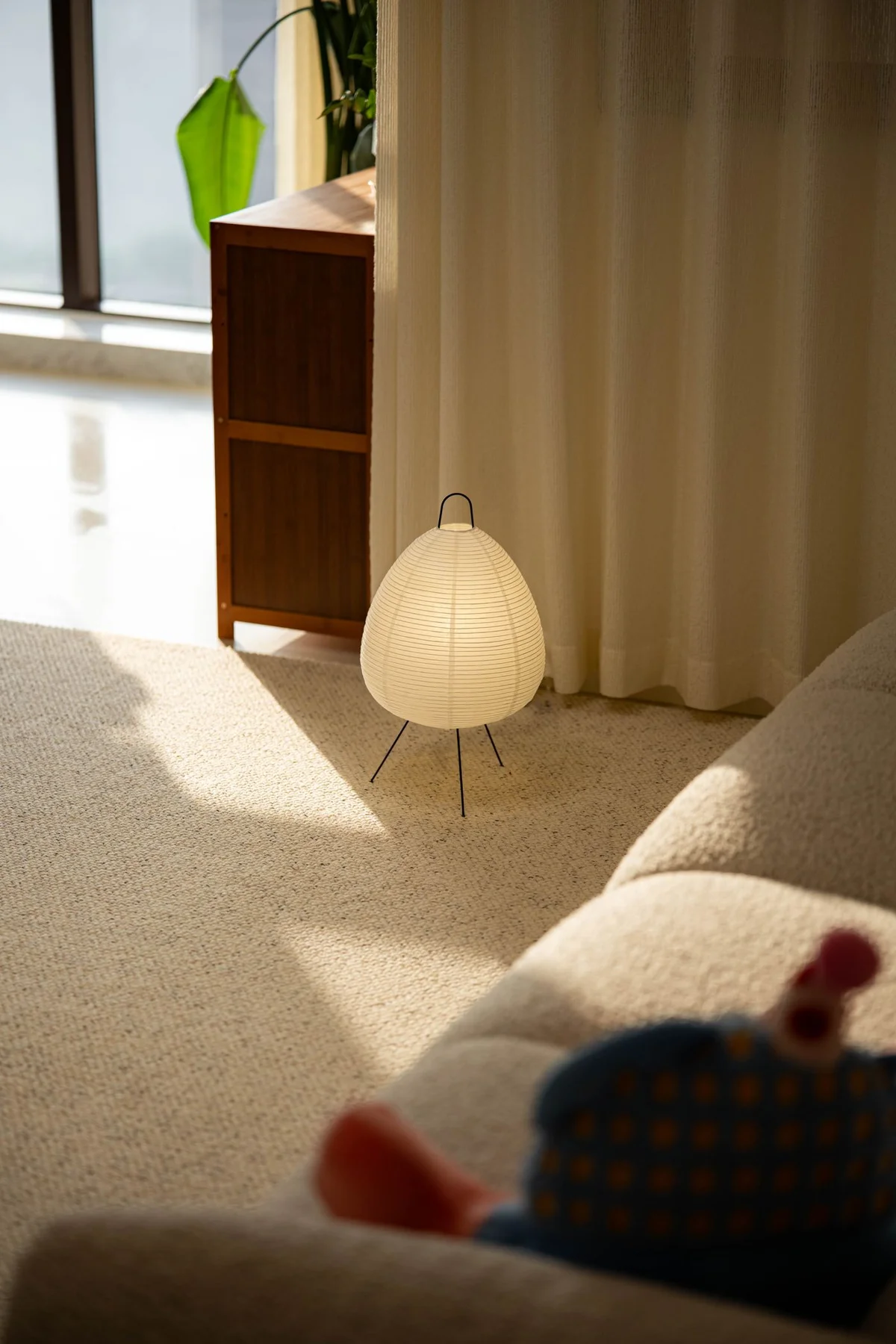
A rug does not need a strong pattern to change a room. Ribbing, a looped surface, or a slightly irregular weave can give a plain floor depth while leaving the furniture in charge. The effect is most visible when daylight crosses the surface, so a small swatch viewed flat under store lighting may not tell the whole story.
If you already have patterned upholstery or busy shelves, a textured rug offers another layer without adding a competing image. Choose it by touch and daily use as well as appearance. The raised surface you enjoy under bare feet may be less welcome beneath a dining chair or a frequently moved desk chair.
Read the surface from two distances
At close range, look at how the fibers sit and whether the texture is subtle or sharply ridged. From the doorway, check whether it reads as a calm field or as pronounced stripes. A rug described as solid can still look patterned when its pile changes direction.
Ask for a sample large enough to show the construction. Place it next to the sofa, then turn it around in the same light. Many surfaces look lighter from one direction than the other. This is worth understanding before interpreting the color in an online photograph as a guaranteed match.
Match texture to the job
In a seating area used mostly for reading, a softer surface may be welcome. In a route between the kitchen and the back door, think about crumbs, shoes, and the effort needed to clean the particular construction. Read the maker's care directions before buying; a vacuum setting suitable for one rug may not suit loops, fringe, or a high pile.
Check the combined height of rug and pad beneath doors. Also test whether furniture legs settle evenly. A deeply sculpted surface can make small lightweight tables feel less stable, especially if one foot rests in a groove. A flatter rug near a drinks table can be the more comfortable everyday choice.
Add contrast around it
Texture shows best against something different. A nubby rug beside a smooth wood table or a clean-lined sofa gives both surfaces a clearer role. Filling the room with equally fuzzy throws, heavily woven baskets, and thick cushions may blur those differences.
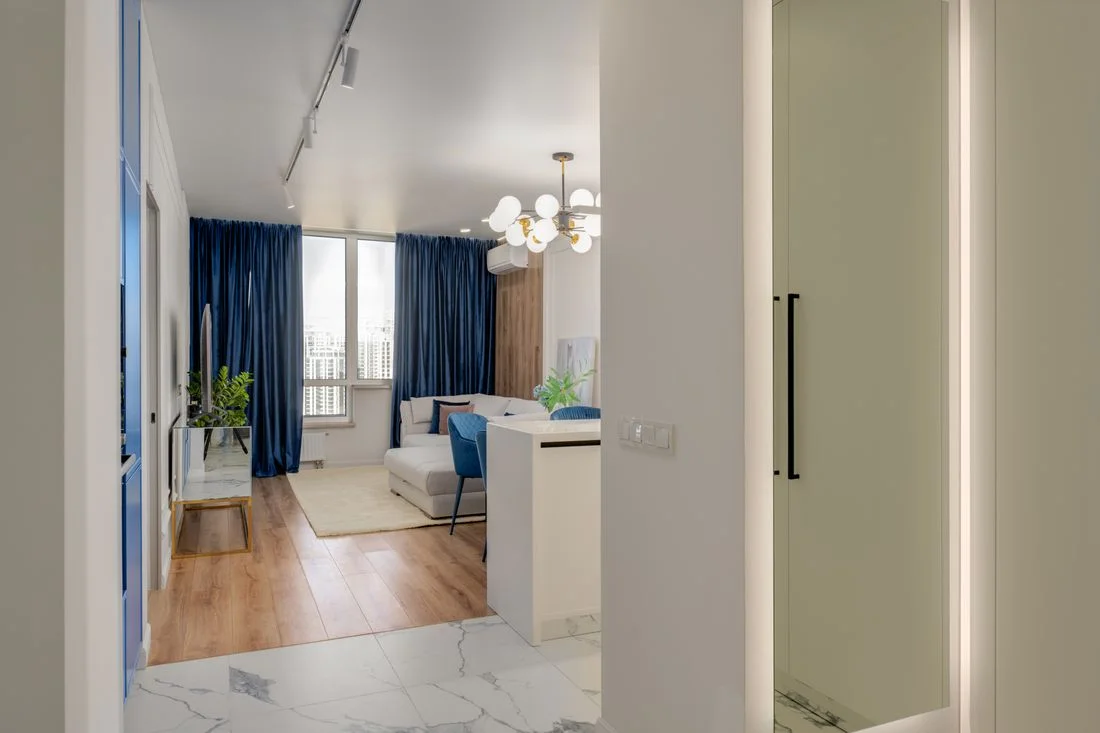
Use color restraint if the weave is pronounced. A rug close to the floor color creates a gentle transition; a distinct lighter or darker tone defines the seating group more firmly. Neither needs matching accessories. Let the texture be the reason you chose it, then keep enough clear floor around its edge to see the decision.