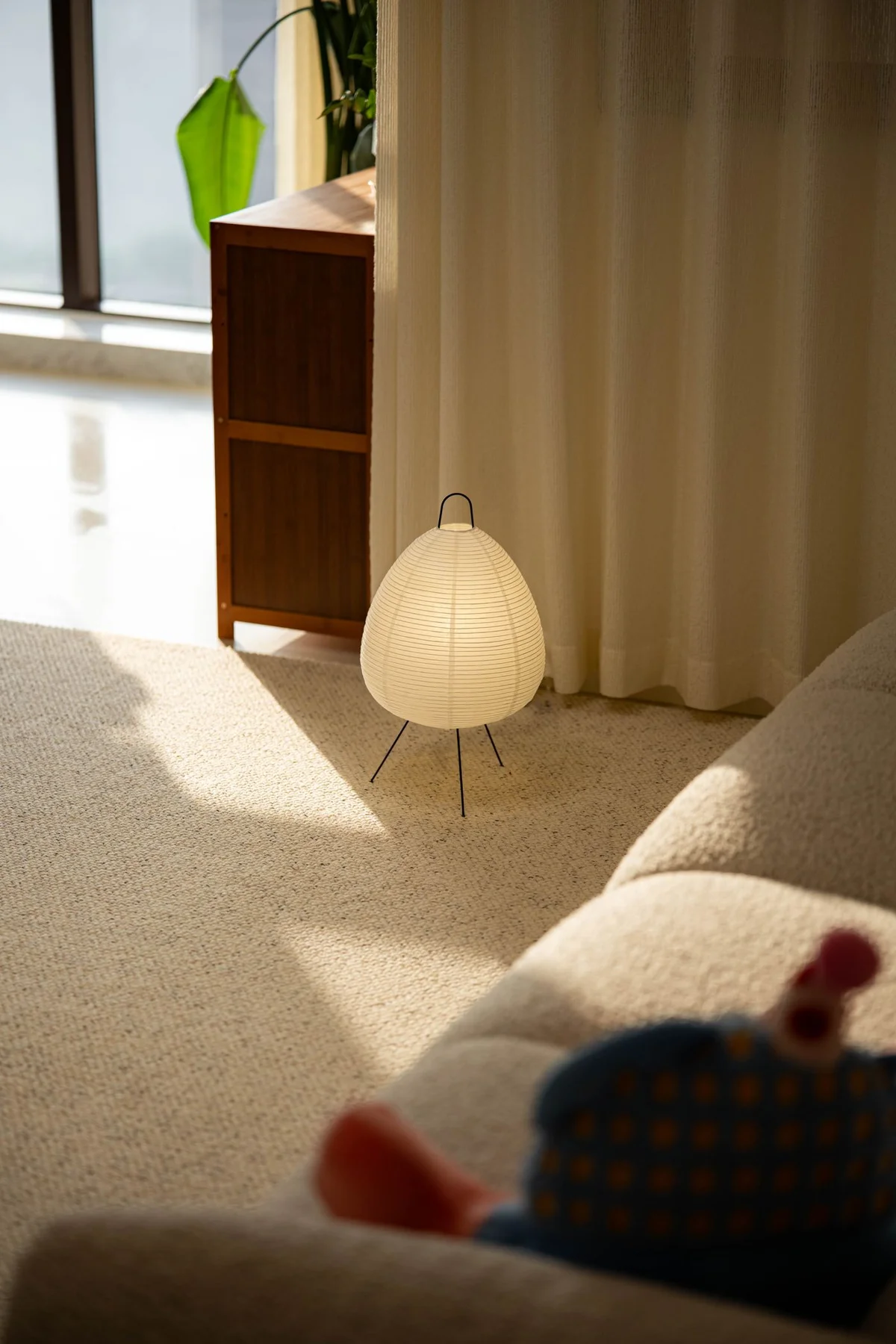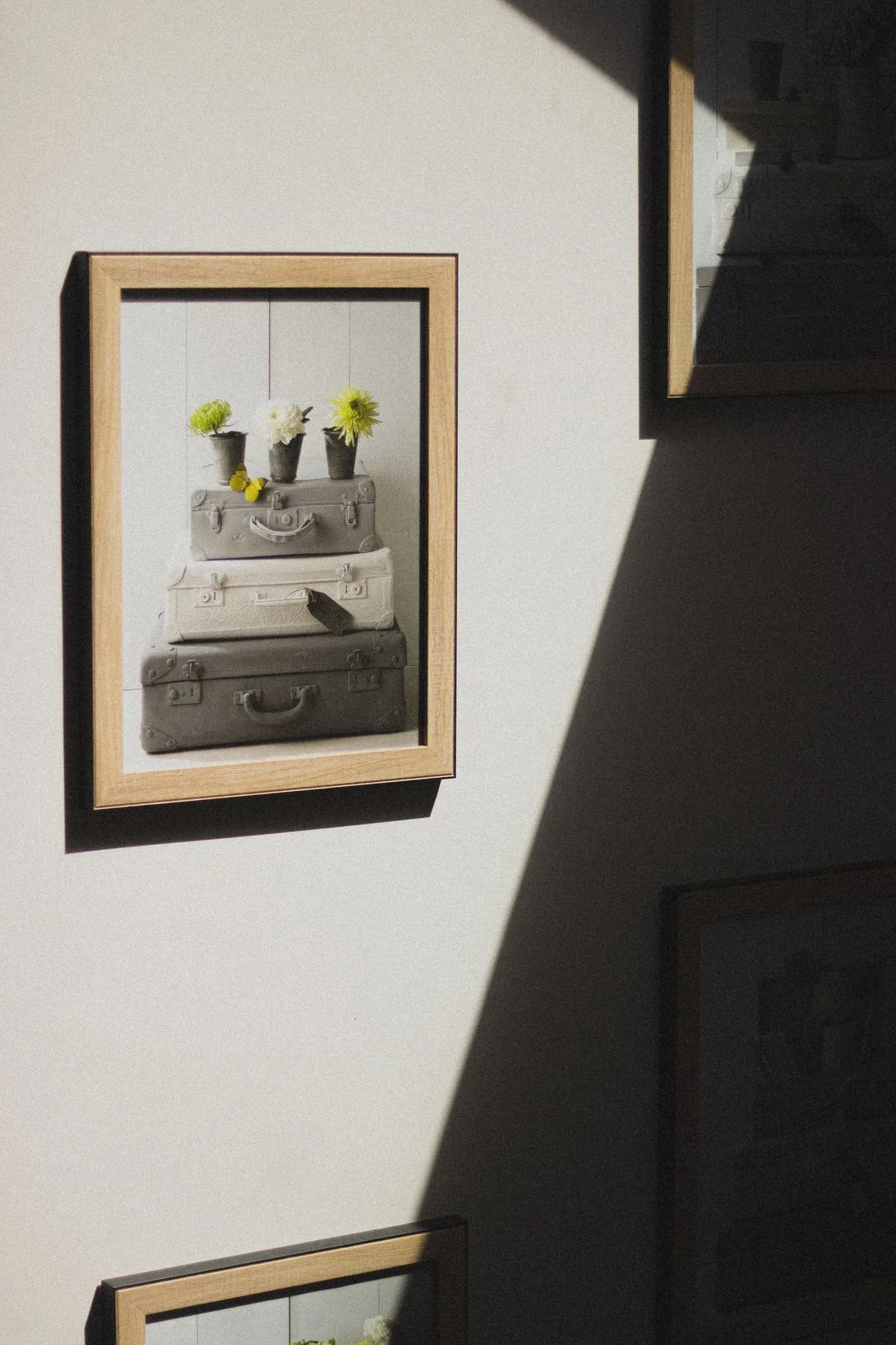
A picture that looks clear at noon can turn into a reflection of a lamp by dinner. This is especially common with glazed prints opposite windows or next to a reading light. Before replacing the frame or buying special glass, check whether the location is the real problem.
Stand in the places from which you usually see the art: the sofa, the doorway, and the dining chair. Move your head slightly. If the picture disappears behind a bright reflection from several normal viewpoints, the wall deserves another look.
Map the bright patches
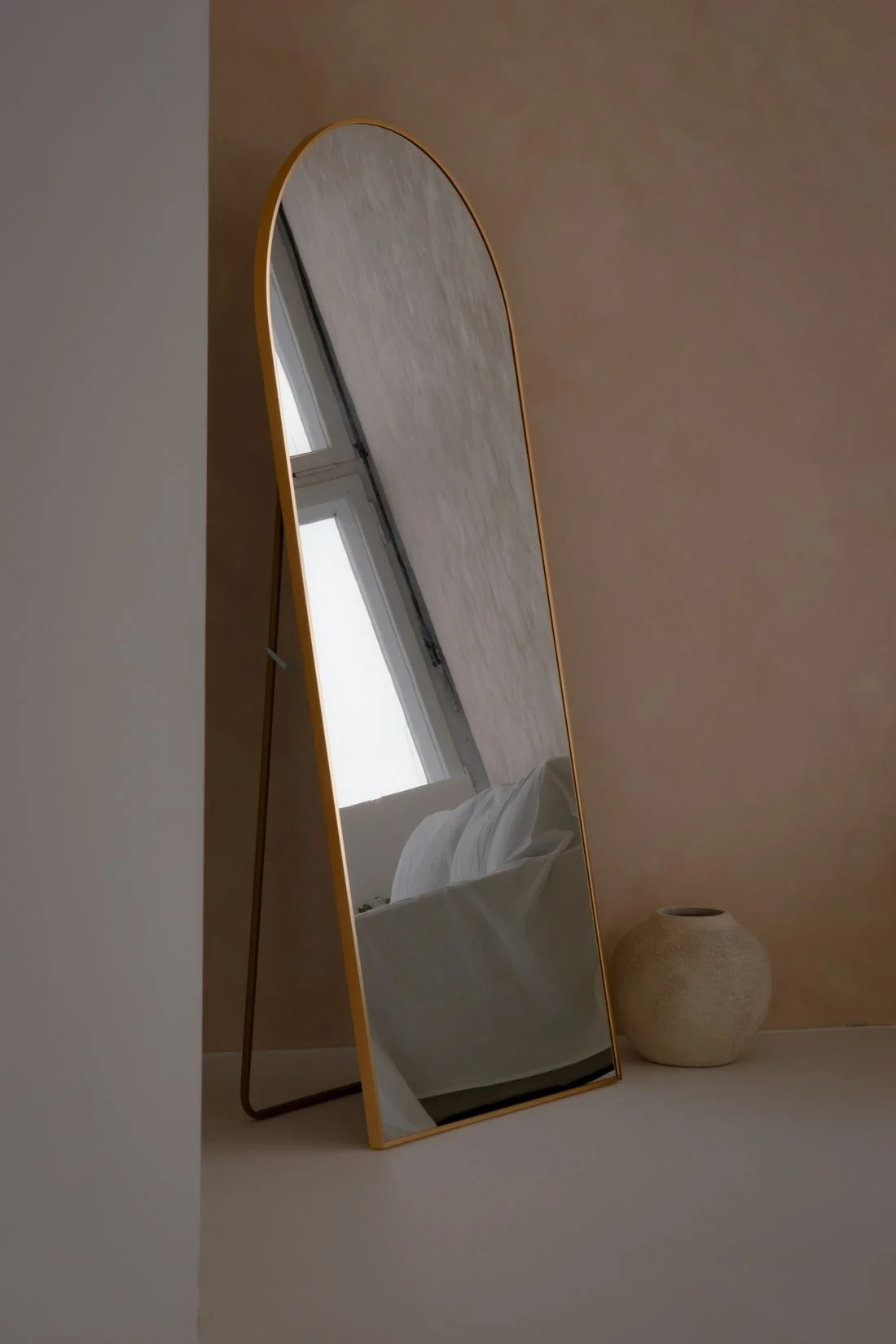
Hold a small mirror at the proposed picture position to identify what it will reflect. A bright window directly opposite can dominate a glazed surface. A lamp off to the side may appear only from one chair. These are different problems, and they call for different adjustments.
Try moving the picture laterally or changing the lamp position before moving it higher. Raising art out of the main viewing area can solve one reflection while making the room less comfortable to look at. The useful position is the one that works with both the light and your seated eye line.
Separate display from preservation
Reducing glare and protecting artwork are not the same decision. If a work is valuable, fragile, or irreplaceable, ask a qualified framer about glazing and light exposure. Do not assume that a product described as anti-glare also provides the level of protection that a particular work needs.
For everyday decorative prints, compare the framed sample in light similar to your room. Some surface treatments change how dark colors or fine details appear. What looks effective in a shop may not be your preferred result at home.
Make the wall work after dark
Switch on the lights you normally use rather than every fixture in the house. A bright task lamp aimed across the room can create an unnecessary reflection; turning its head toward the work surface may help both tasks. Avoid adding a picture light simply because the wall feels dim. A quietly visible artwork can suit an evening room better than another bright focal point.
If every practical position on one wall catches glare, choose another wall or another kind of display there. A textile, an unglazed object, or an empty patch may fit that location better. The room does not need to make one particular frame succeed at any cost.