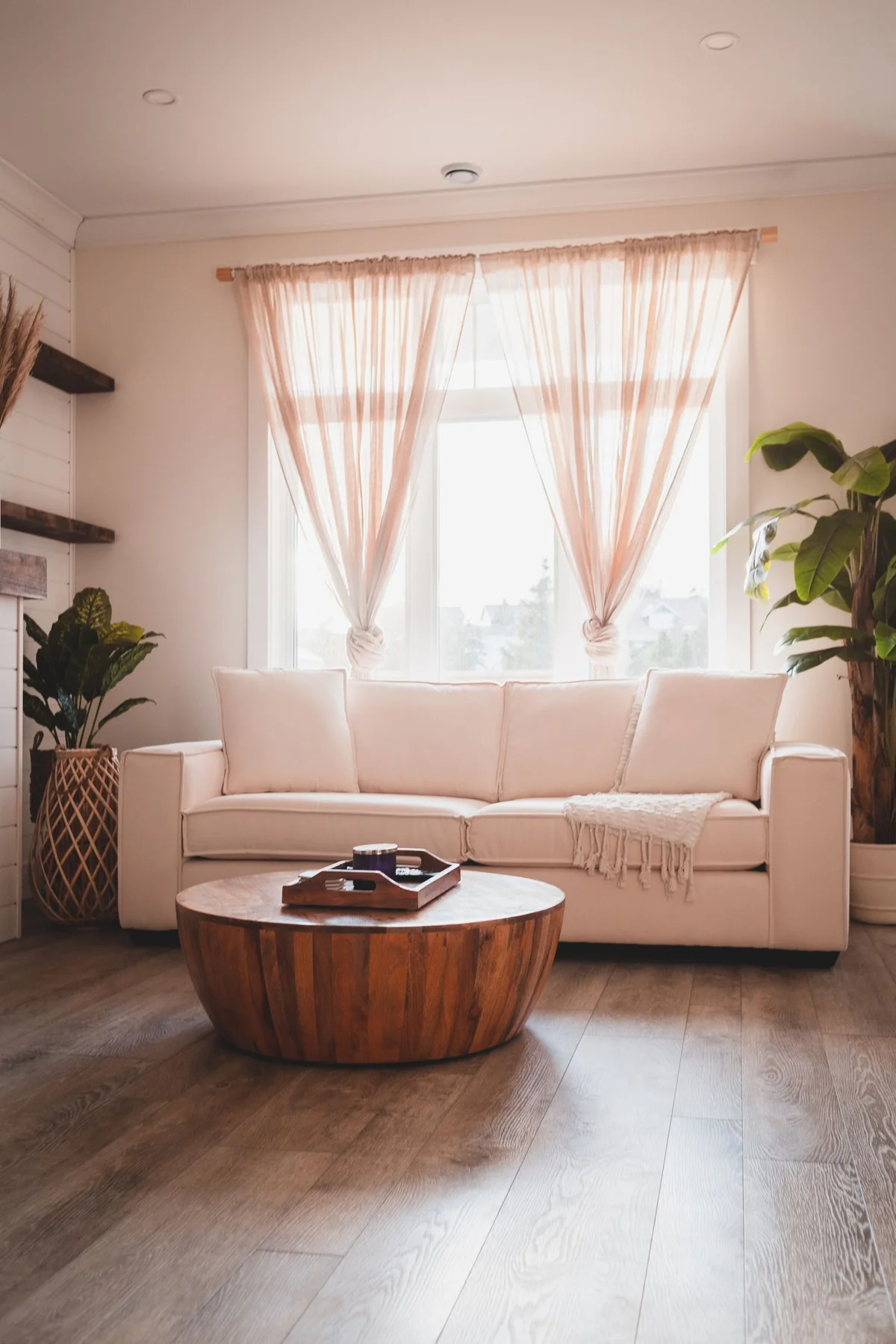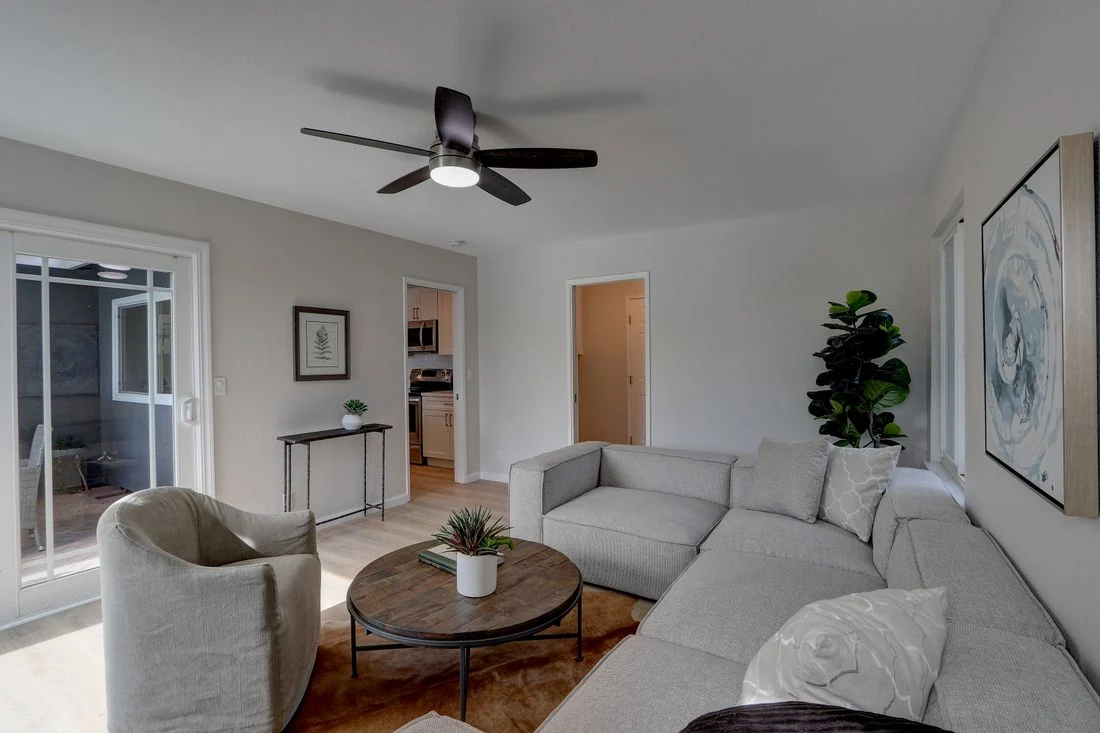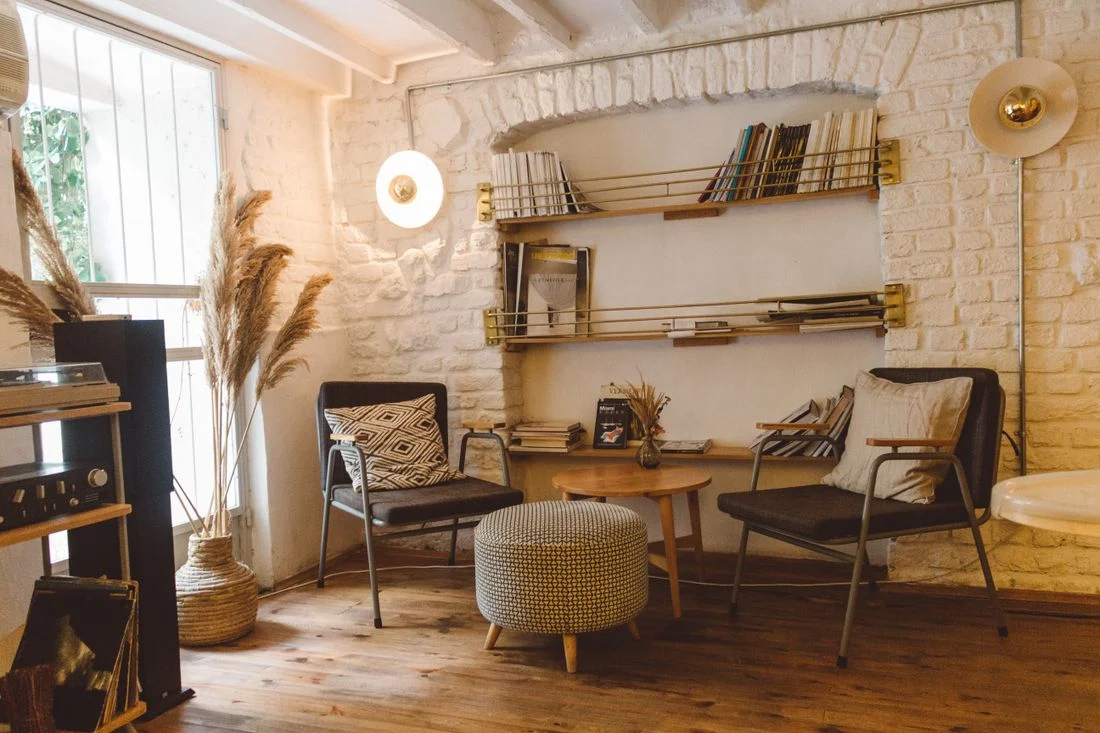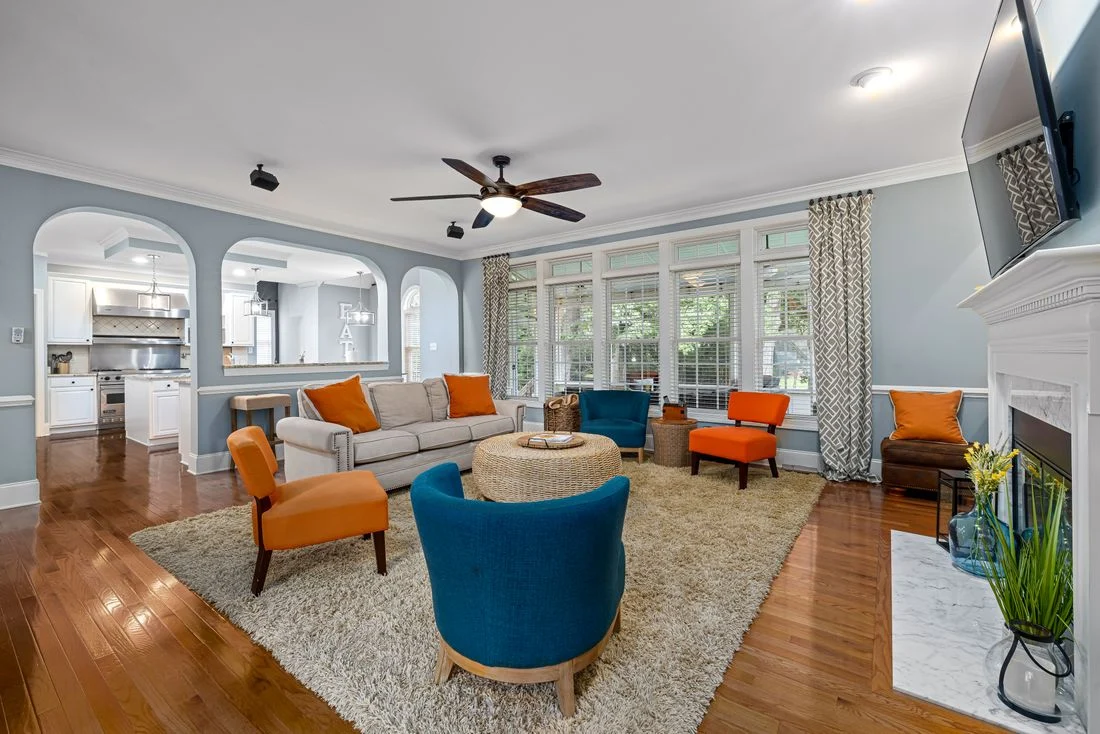
A patterned piece already contains a set of color relationships. That makes it a useful starting point when a living room feels undecided. The aim is not to copy every color into a separate accessory. It is to decide which parts of the pattern should shape the room and which can remain small surprises.
Choose the piece that will stay
Start with something substantial or meaningful enough to keep: a rug, an upholstered chair, or a textile you already enjoy. A tiny seasonal cushion is a less reliable foundation for an expensive sofa purchase. Look at the pattern beside the room's fixed surfaces, especially the floor and any large cabinetry.
Identify a background color, one supporting color, and a possible accent. The background can influence a large quiet surface, the supporting color can appear in a smaller piece, and the accent can remain limited to a lamp or a few textiles. These roles are more useful than a rigid percentage formula.
Try the palette in real light
Gather physical samples when possible. Put them near the patterned piece and view them in the morning, afternoon, and evening. A color that seems like a perfect match on a phone screen may look much colder or brighter in the room.
The supporting colors do not need to be exact copies. A quieter version of a bright pattern color can be easier to live with across a large surface. Keep the original pattern visible so the relationship remains understandable.
Leave space between repeats
If an orange chair, orange throw, orange vase, and orange curtains all surround the same rug, the accent stops being an accent. Spread small repeats around the room and allow neutral surfaces between them. Different textures can create variation without introducing more colors.
A second pattern is possible, but compare its scale and contrast with the first. Two equally busy patterns can compete even when their colors match. One broad pattern and one quieter small-scale texture often give the eye clearer places to rest.
Once the main choices are made, stop shopping for exact matches. A room built from one pattern should still leave room for books, photographs, and objects acquired later. The pattern gives the palette a starting relationship, not a rule that every future possession must obey.